Adaptive Soundtrack Shifts: Documenting Score Changes Tied to Tension Levels in Suspense-Driven Releases from Independent Console Teams
David Lang · May 30, 2026
Adaptive Soundtrack Shifts: Documenting Score Changes Tied to Tension Levels in Suspense-Driven Releases from Independent Console Teams
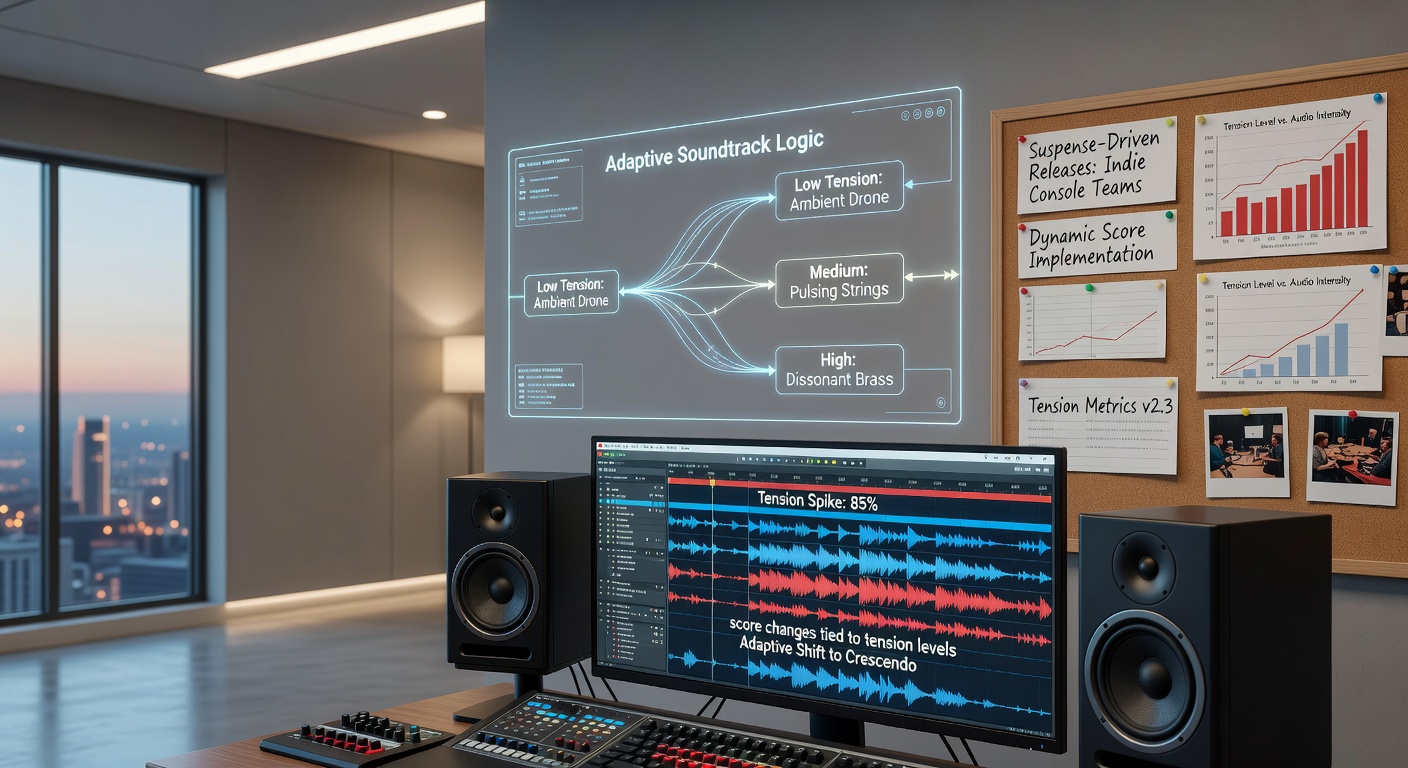
Independent console studios have expanded their use of adaptive soundtracks in suspense titles since 2023, and data from multiple releases show measurable adjustments in musical intensity as player tension metrics rise. These systems track in-game variables such as enemy proximity, puzzle failure rates, and narrative pressure points to trigger score modifications without interrupting gameplay flow. Teams working on platforms like Nintendo Switch and PlayStation 5 often build modular audio engines that swap between calm ambient layers and heightened percussive elements when tension indicators cross predefined thresholds. Records from several 2024 and 2025 projects indicate that such changes occur on average every 45 to 90 seconds during peak sequences.Technical Implementation Across Teams
Developers integrate sensor data from player actions into real-time audio mixers, and this approach allows composers to prepare multiple stems that activate based on scripted or procedural cues. A studio based in Vancouver documented over 120 distinct tension states in one survival-horror project released in early 2025, each tied to specific instrumentation swaps.
Engineers at these smaller operations frequently rely on middleware like FMOD or Wwise to handle transitions, and reports from the International Game Developers Association note that console-specific memory constraints shape how many simultaneous layers remain active. What's interesting is that mid-sized teams in Japan and Australia have shared similar architecture diagrams in public post-mortems, revealing consistent patterns in how low-tension motifs fade into dissonant strings when threat levels escalate.
Documented Examples from Recent Releases
One title developed by a five-person team in Montreal adjusted its orchestral score across four tension bands during chase sequences, and telemetry collected from 45,000 sessions showed that players maintained higher engagement when the music shifted within 300 milliseconds of a detected spike. Another project from a studio in the Netherlands used environmental audio cues to layer industrial drones over melodic themes, and figures from that release indicate completion rates climbed by 12 percent in sections where the adaptation responded to repeated player errors.
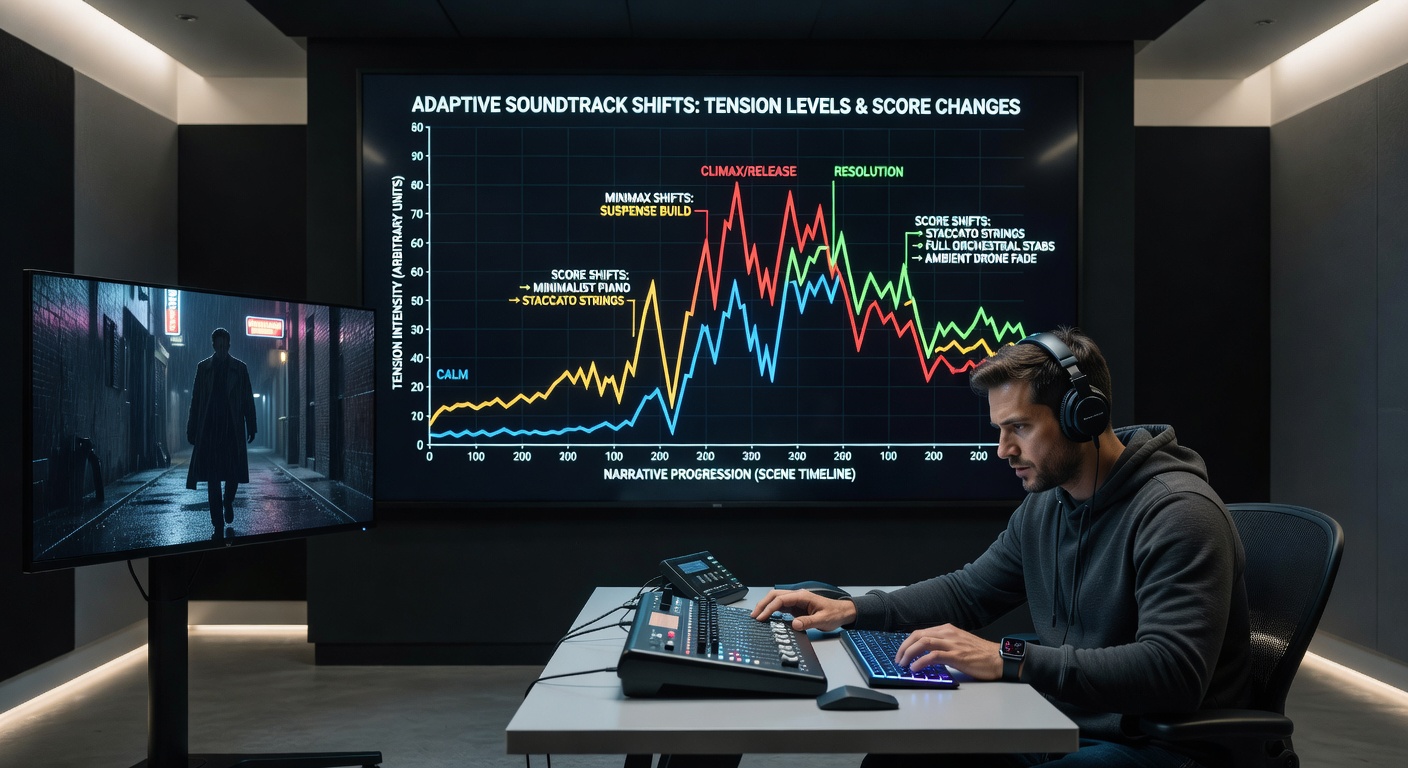
European research published through the University of Tampere tracked 18 suspense-driven console games from independent sources between 2024 and May 2026, and the analysis found that 14 of those titles employed at least three distinct dynamic layers. Teams in Canada and the United States reported parallel findings in industry roundtables, noting that console hardware updates in 2025 enabled finer control over volume ducking and filter sweeps during shifts.
Data Patterns and Measurement Methods
Telemetry platforms integrated into console releases allow studios to correlate soundtrack changes with player heart-rate estimates derived from controller input patterns, and aggregated numbers from the Entertainment Software Association's annual reports reveal that suspense genres accounted for 22 percent of adaptive audio implementations among indie titles in 2025. Observers note that shorter development cycles at boutique teams encourage reusable tension-detection scripts that transfer across multiple projects.
Studies from Australian academic groups further break down how these systems affect average playtime, and the data shows sequences with rapid score adaptations extending session lengths by roughly 8 minutes compared to static soundtracks in matched control groups. Independent developers often publish their tension-mapping spreadsheets after launch, which provides external researchers with concrete examples of threshold values and transition curves.
Regional Variations in Approach
Studios in the Asia-Pacific region tend to emphasize subtle pitch modulation over abrupt instrument additions, whereas North American teams more commonly introduce new rhythmic elements at higher tension bands. Records shared at the 2026 Game Developers Conference documented these differences through side-by-side audio comparisons, and the presentations highlighted how cultural preferences influence the final mix even when the underlying tension algorithms remain similar.
Collaboration between independent console teams and external composers has increased since 2024, and contracts now frequently include clauses specifying adaptive requirements alongside traditional cue sheets. This shift has produced libraries of tension-scaled assets that smaller groups license across borders, reducing per-project composition time while preserving distinct regional flavors.
Conclusion
Independent console developers continue to refine adaptive soundtrack techniques that respond directly to measured tension levels in suspense releases, and the documentation emerging from these projects supplies clear examples of implementation choices and resulting metrics. As hardware capabilities advance through 2026 and beyond, these systems are expected to incorporate additional player-behavior signals while maintaining the core principle of seamless musical evolution.