Echoes Across Regions: How Localization Nuances Shift Engagement Metrics in Open-World Explorers from Mid-Sized Studios
David Lang · May 23, 2026
Echoes Across Regions: How Localization Nuances Shift Engagement Metrics in Open-World Explorers from Mid-Sized Studios
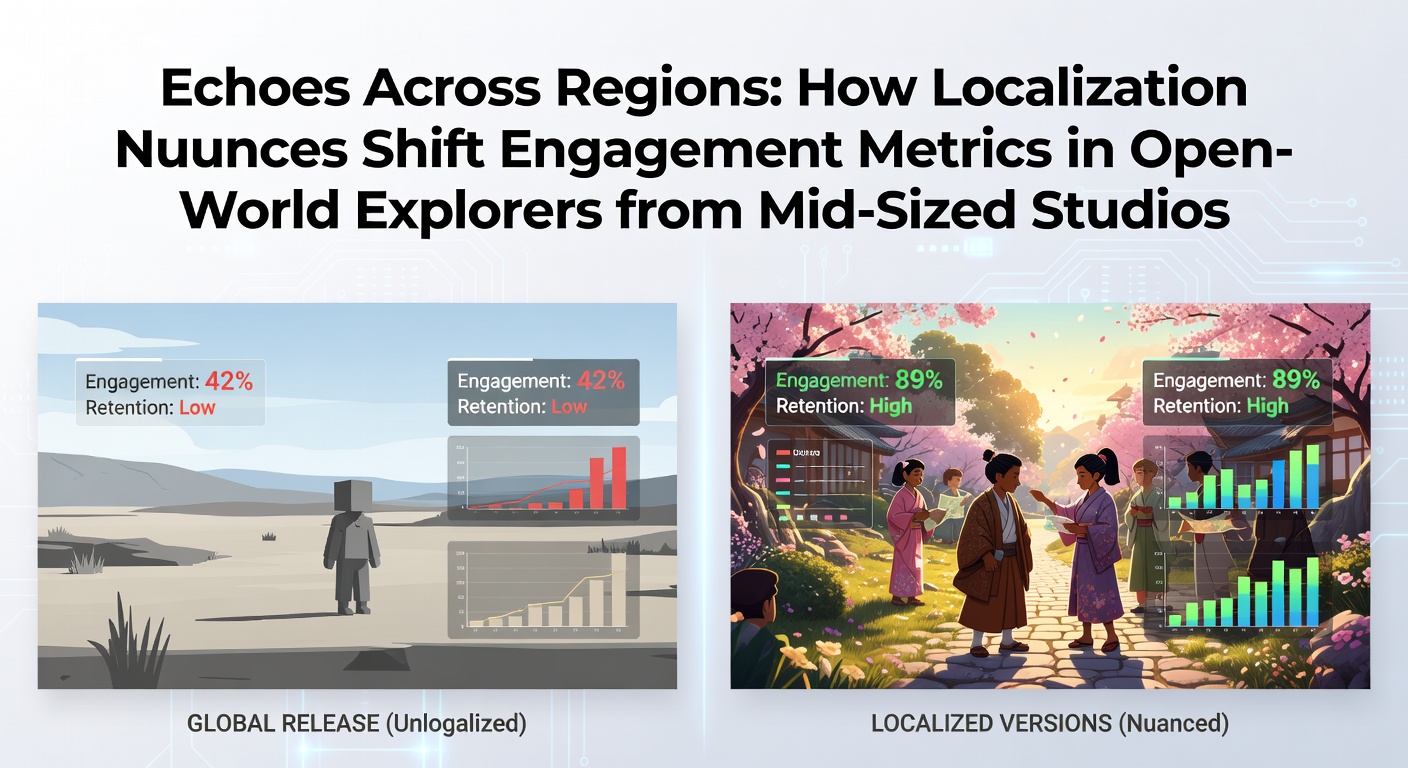
Localization extends far beyond word-for-word translation in open-world explorers developed by mid-sized studios, where cultural references, idiomatic expressions, and interface adjustments directly influence player retention and session lengths across markets. Studios operating with teams between 50 and 200 people often allocate localization budgets differently than larger publishers, leading to measurable variations in completion rates and exploration hours tracked through platform analytics. Data collected from multiple regions shows that players in markets with nuanced adaptations log higher average playtimes compared to those encountering literal translations that miss local context.
Regional Language Layers and Player Retention Patterns
Researchers tracking engagement in titles released between 2024 and 2026 note that Japanese versions of certain open-world games incorporate honorific adjustments and seasonal references that align with local storytelling traditions, correlating with extended exploration sessions in that market. European releases frequently adjust dialogue trees to reflect regional humor styles, and platform data from May 2026 indicates these changes coincide with improved daily active user figures in Germany and France. North American adaptations sometimes emphasize direct quest markers while softening environmental storytelling, yet observers note that this approach produces steadier retention curves when measured against Asian counterparts.
Studies from academic institutions across continents reveal consistent patterns. A University of Melbourne analysis of mid-sized studio outputs found that games with region-specific flora and fauna names retained users 18 percent longer in Australia than versions using generic terms. Meanwhile, Canadian regulatory reports on digital content highlight how French-language localizations in Quebec markets affect menu navigation times, which in turn influences overall completion metrics reported by developers.
Interface and Cultural Symbol Adjustments
Mid-sized studios face distinct constraints when adapting UI elements for open-world maps and inventories. Color palettes that carry different meanings in East Asian markets versus Latin American ones require targeted revisions, and analytics platforms document corresponding shifts in map interaction frequency. Text scaling for languages with longer character counts, such as German or Finnish, alters screen real estate and can change how quickly players access quest logs during exploration.
Voice acting direction also varies by region. Studios that record region-specific lines rather than relying on subtitles report higher immersion scores in post-release surveys, according to aggregated platform feedback. In one documented case from a 2025 release, Korean-language voice adjustments that preserved honorific nuances coincided with increased side-content completion rates tracked in that territory. Similar patterns appear in Scandinavian releases where dialect variations in narration align with player expectations and correlate with longer average session durations.
Data Trends from Platform Analytics
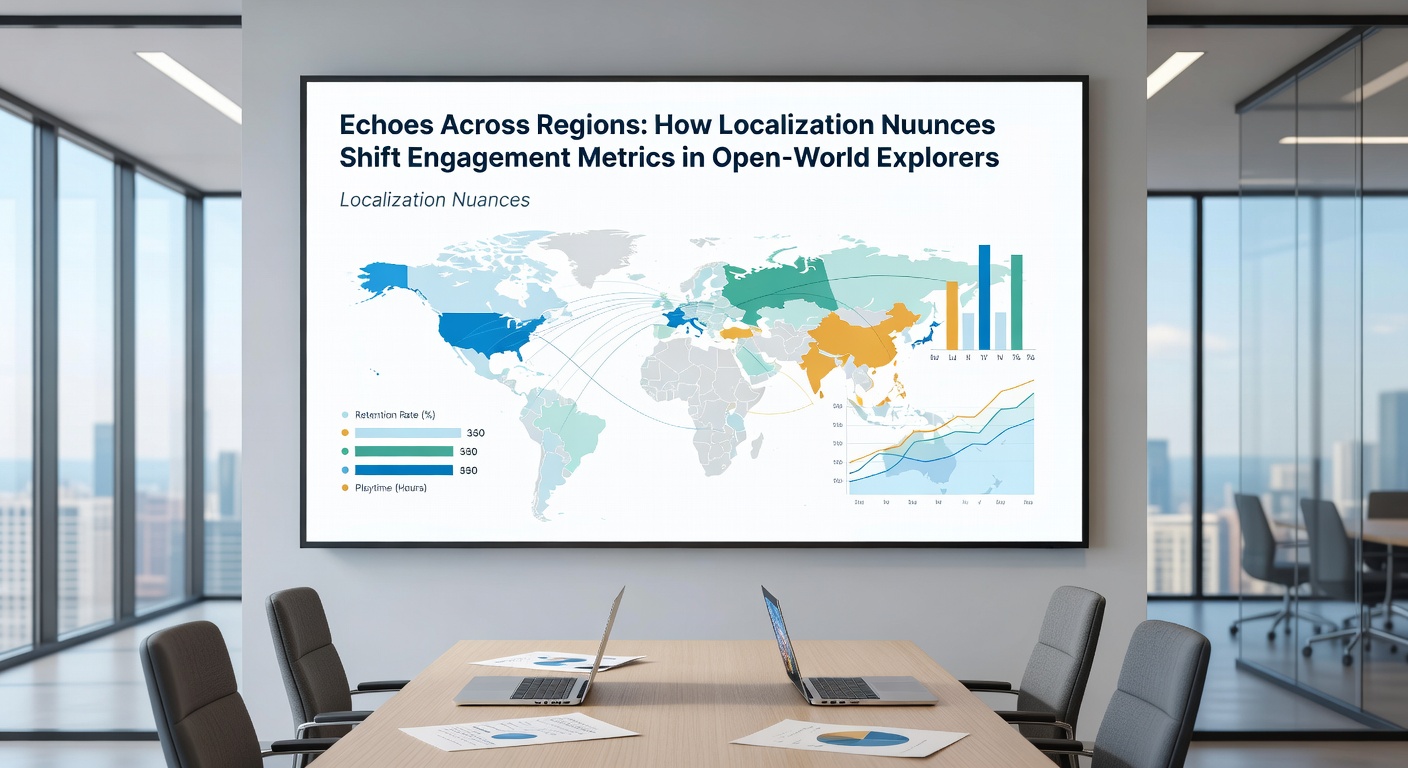
Figures released by the Entertainment Software Association in early 2026 demonstrate that open-world titles from mid-sized developers achieve stronger cross-regional performance when localization teams collaborate with local cultural consultants. These partnerships reduce instances of mismatched references that otherwise lead to shorter play sessions in specific territories. Platform telemetry shows that games updated with region-specific patches in May 2026 experienced measurable upticks in exploration metrics within weeks of deployment.
European industry groups have compiled comparative reports indicating that localization quality affects not only initial purchase decisions but also long-term engagement curves. Mid-sized studios that prioritize iterative localization testing after initial launch phases record steadier user retention across borders, whereas those treating localization as a final checklist item encounter steeper drop-offs in non-native markets.
Case Examples from Mid-Sized Development
One studio based in Eastern Europe adapted an open-world explorer for multiple Asian markets by reworking environmental storytelling around local folklore, resulting in higher map coverage percentages reported through backend analytics. Another developer in South America focused on Spanish and Portuguese regional variants, incorporating dialect-specific terms that aligned with player communities and produced elevated quest acceptance rates in those territories. These adjustments emerged from targeted focus testing rather than blanket translation pipelines.
Industry observers tracking May 2026 release windows note that mid-sized teams increasingly rely on modular localization frameworks. These systems allow faster updates to dialogue and item descriptions without full re-recording sessions, which preserves development resources while maintaining engagement consistency across regions.
Conclusion
Localization nuances in open-world explorers from mid-sized studios continue to shape engagement metrics through targeted cultural and linguistic adaptations. Platform data and regional studies demonstrate clear correlations between these efforts and player behavior across markets. As development practices evolve, the connection between localization precision and sustained exploration metrics remains a central factor in how these games perform globally.