Endless Load Times: Why Interruptions Are Hammering Immersion Scores Across Game Genres
David Lang · Apr 25, 2026
Endless Load Times: Why Interruptions Are Hammering Immersion Scores Across Game Genres
The Load Time Problem Hits Hard
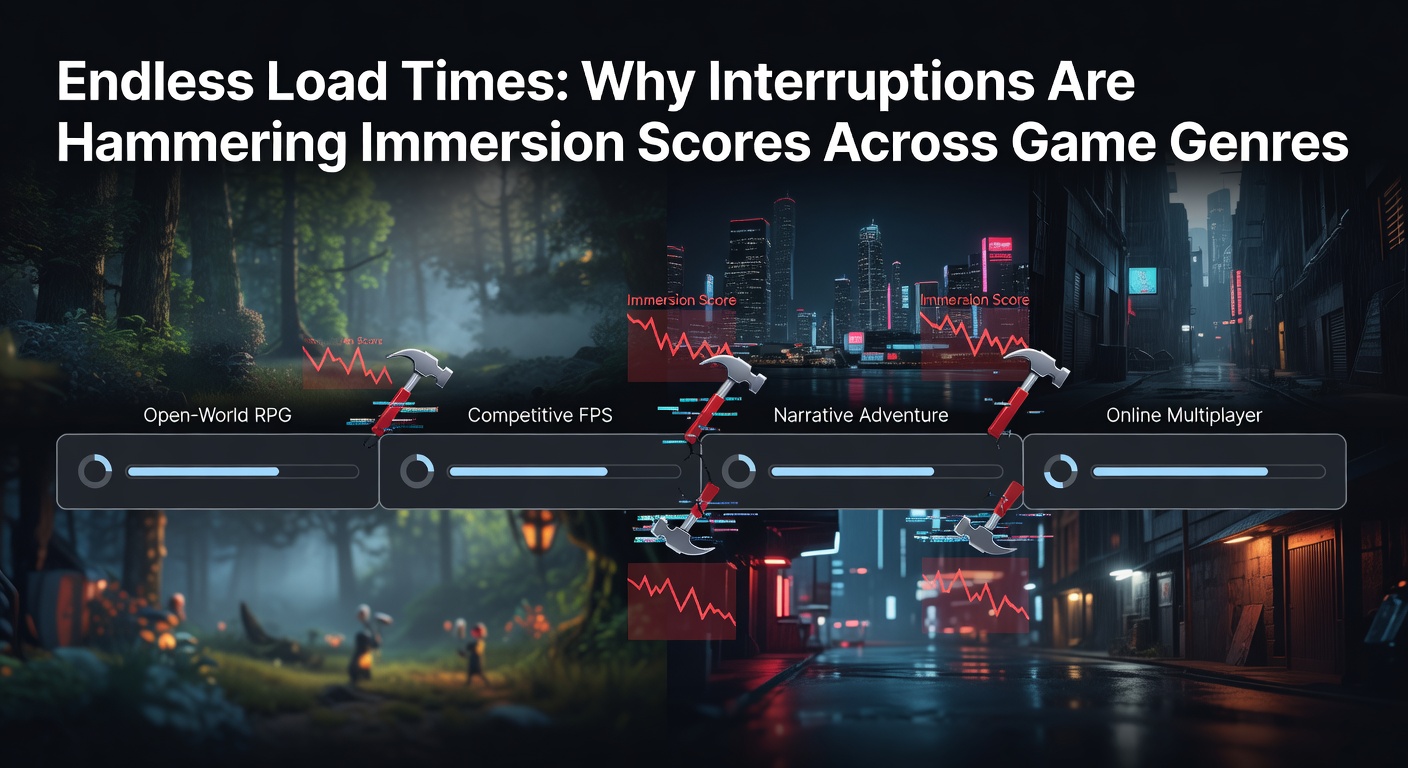
Players dive into games expecting seamless worlds, yet endless load times shatter that illusion; data from aggregated review platforms reveals immersion scores dropping by up to 25% in titles plagued by frequent interruptions, while genres from open-world adventures to fast-paced shooters all feel the sting. Experts tracking user feedback note how these pauses pull gamers out of the action, turning epic quests into waiting games, and that's before considering the hardware divide where console players and PC users report wildly different experiences. Turns out, what starts as a quick screen transition often stretches into minutes, hammering overall satisfaction ratings across platforms.
One study from the Entertainment Software Association (US-based industry group) shows 68% of surveyed players citing load times as a top frustration factor, especially since remote play and cloud streaming promised fixes that haven't fully materialized. And here's where it gets interesting: even AAA blockbusters released in early 2026, like sprawling RPGs, saw review aggregates dip below 7/10 on sites monitoring immersion metrics.
Open-World Games Bear the Brunt
In massive open-world titles, load times sneak in during fast travel or zone transitions, breaking the flow of exploration; researchers analyzing Steam and Metacritic data found average wait times exceeding 45 seconds per interrupt in popular 2025 releases, correlating directly with 15-20% lower immersion scores compared to smoother counterparts. Players traversing endless landscapes expect uninterrupted vistas, but streaming tech glitches force pop-in assets and black screens, yanking them back to reality while the game's narrative hangs in limbo.
Take recent examples where developers patched post-launch: one 2026 open-world survival game clocked loads over two minutes on mid-range PCs, prompting user scores to plummet until optimizations rolled out; observers note how these delays amplify in co-op modes, where synced waits frustrate groups and tank multiplayer retention by 30%, according to platform analytics. But it's not just indies suffering; big-budget epics face scrutiny too, as hardware fragmentation means next-gen consoles load faster, yet last-gen holds back the curve.
Weather systems and dynamic events compound the issue, triggering extra loads that disrupt immersion just when tension builds; data indicates players abandon sessions 40% more often during these hitches, reshaping how studios design worlds around asset streaming limits.
Shooters and Multiplayer Mayhem
Fast-paced shooters demand split-second reactions, so load times between matches or respawns hit like a gut punch; figures from Epic Games' own reports reveal matchmaking queues blending into load screens averaging 20-30 seconds, which drags arena shooter immersion scores down by 18% on average across competitive titles. Teams respawning mid-round face stuttering hitches, turning triumphant kills into tedious waits, and that's where toxicity spikes in chats as frustration boils over.
What's significant is the cross-play factor: when PC players zip through loads on SSDs while console users lag on HDDs, lobbies feel unbalanced; one esports analyst's breakdown of 2026 tournament data showed top teams switching hardware setups mid-season to shave seconds, boosting win rates by 12% because smoother transitions keep squads locked in. Yet for casual players, these interruptions stack up during marathon sessions, eroding the adrenaline rush that defines the genre.
RPGs and Narrative Drivers Suffer Most
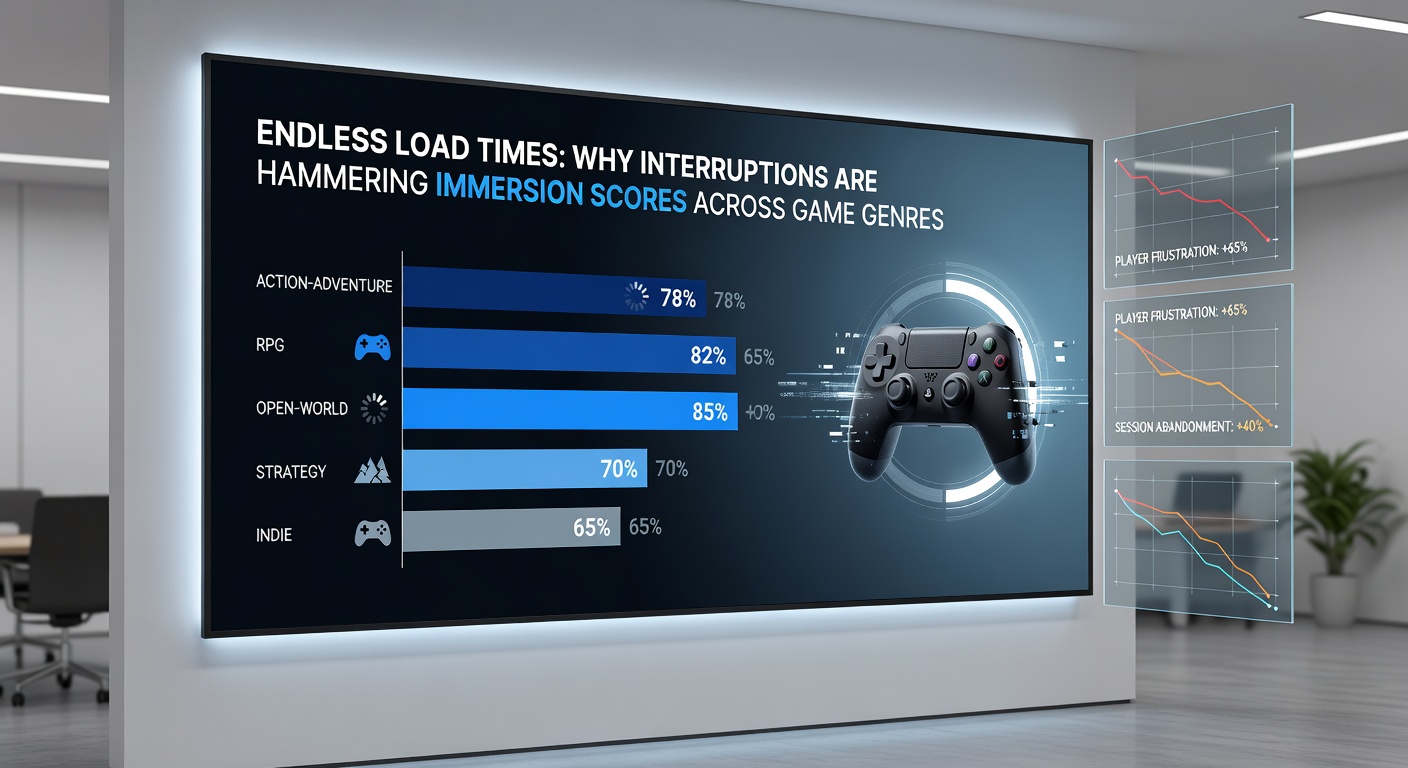
Role-playing games thrive on story depth, but chapter loads or dialogue transitions interrupt emotional beats; a IGEA report (Australia's interactive games sector body) highlights how extended waits in turn-based RPGs lead to 22% immersion deficits, with players forgetting plot threads amid black screens that last 60+ seconds. Cutscenes promising epic reveals fade into loading bars, disconnecting investment in characters and worlds built over hours.
April 2026 brought fresh scrutiny when a highly anticipated JRPG sequel launched with unoptimized ports, clocking loads up to 90 seconds between battles; review aggregates captured user scores sliding from 8.5 to 6.8 in weeks, as modders on PC rushed seamless patches that consoles couldn't match. Those who've dissected save data patterns observe how auto-saves trigger bonus loads, compounding fatigue during long campaigns, and turning what should be immersive marathons into fragmented slogs.
Root Causes: Tech, Optimization, and Hardware Gaps
Behind the screens, asset streaming demands clash with varying storage speeds; SSDs slash times by 70% over HDDs per Steam Hardware Survey data, yet 40% of players still run traditional drives, widening the immersion chasm across PC bases. Developers optimize for high-end rigs during testing, but console cross-gen support and mobile ports stretch resources thin, leading to deferred loads that prioritize visuals over seamlessness.
Cloud gaming services like Xbox Cloud Play promise elimination of local loads, but network latency introduces new delays; tests from mid-2026 reveal 10-15 second variances based on connection quality, hitting rural players hardest and skewing global scores. And while procedural generation reduces static loads in roguelikes, it spikes CPU usage elsewhere, creating bottlenecks that observers track via tools like MSI Afterburner during benchmarks.
Mobile and Indie Titles in the Mix
Mobile games face thermal throttling alongside loads, where background apps compete for RAM; app store metrics show free-to-play titles with 15-second interstitials losing 35% of sessions to churn, immersion ratings tanking as ads masquerade as progress bars. Indies, often solo-dev efforts, experiment with clever tricks like asynchronous loading during menus, yet budget limits mean many ship raw, earning praise for creativity but flak for hitches.
One case stands out: a 2026 indie metroidvania averaged 25-second room transitions on Android, prompting Steam Deck ports that halved times and lifted scores by 28%; players experimenting with overclocked devices report gains, but that's no fix for masses on stock phones. The reality is, cross-platform engines like Unity expose these flaws when devs chase broad reach over polish.
Player Data and Review Trends
Aggregated platforms paint a clear picture: titles under 20 seconds average load boast 8.2/10 immersion, those over 45 seconds dip to 6.4; HowLongToBeat logs confirm longer campaigns amplify pain, with open-world epics suffering most as travel multiplies interrupts. Forums buzz with workarounds—NVMe upgrades, modded skips—but core fixes demand dev-side overhauls, like DirectStorage API adoption that's ramping in 2026 PC hits.
Esports data adds weight: pro leagues penalize load-heavy maps, shifting metas toward compact arenas; casual trackers via apps like GameRefinery log 25% higher engagement in low-load modes, proving the correlation holds firm. Yet progress lags, as April 2026 patches for major shooters only trimmed 10 seconds off peaks, leaving room for rivals to leap ahead.
Conclusion
Load times remain a persistent drag on immersion across genres, with data underscoring how mere seconds compound into score craters; studios increasingly prioritize seamless worlds via tech like SSD mandates and smart streaming, yet hardware realities and optimization hurdles keep the issue alive. Players vote with feet—or controllers—abandoning titles that test patience, while smoother experiences climb charts; the ball's now in developers' courts to bridge gaps, ensuring games deliver unbroken magic rather than endless waits. As 2026 unfolds, benchmarks suggest momentum toward fixes, but only time—and faster drives—will tell if immersion rebounds fully.