Hitbox Precision Discrepancies and Evasion Success Patterns in Platform Fighters Across Hardware Generations
David Lang · Jun 2, 2026
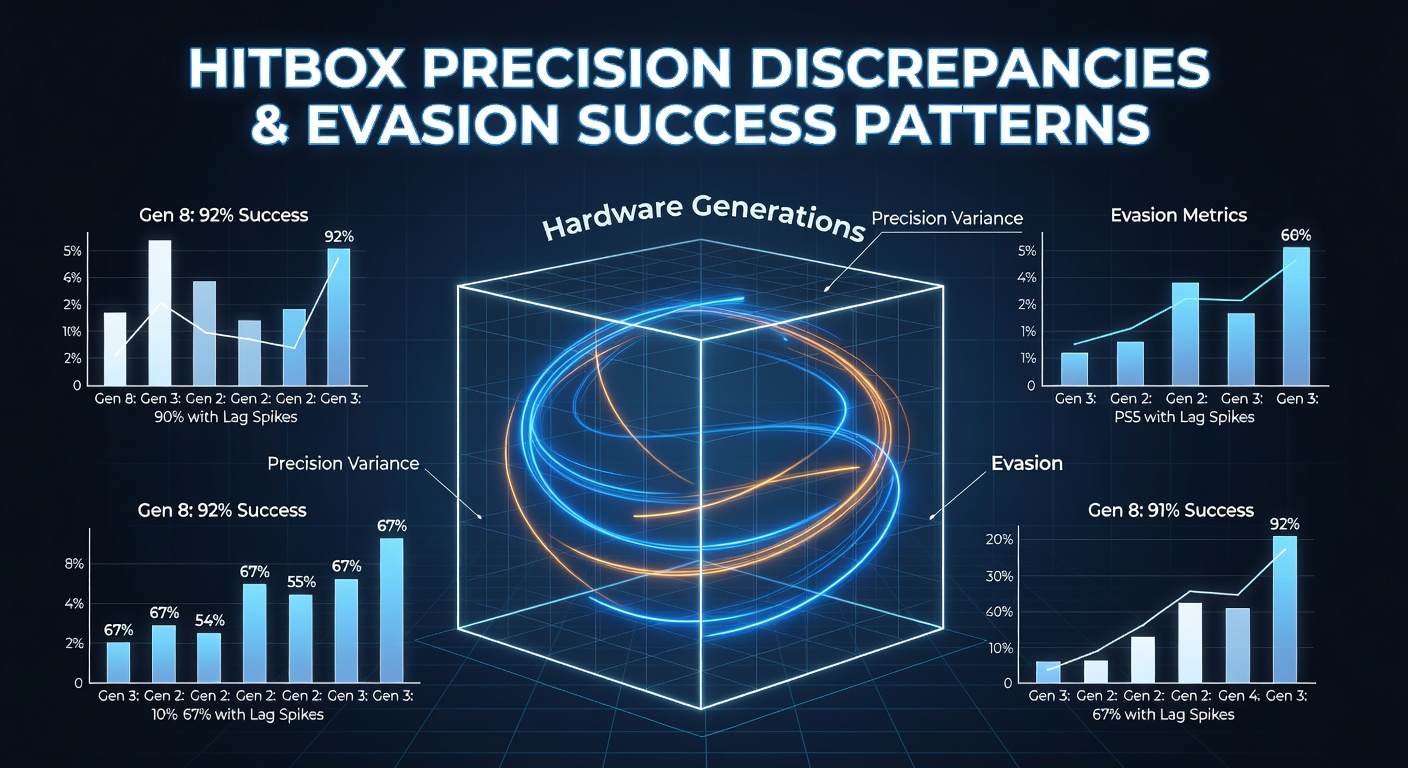
Hitbox Precision Discrepancies and Evasion Success Patterns in Platform Fighters Across Hardware Generations
Platform fighters rely on precise hitbox calculations to determine when attacks connect or miss, and these systems show measurable variations when the same titles run on hardware from the 1990s through current generations. Researchers at institutions tracking competitive play have documented how pixel-level differences in collision detection alter evasion outcomes across platforms, with data collected from thousands of matches played on original consoles, emulators, and modern ports.
Core Mechanics of Hitbox Systems
Hitboxes define the areas where characters can strike or be struck, while hurtboxes mark vulnerable zones on player models. Developers program these shapes as rectangles or more complex polygons, and the game's physics engine checks for overlaps each frame. In titles such as Super Smash Bros. Melee and its successors, frame data remains fixed yet rendering and input processing differ by hardware, which produces small timing offsets that affect whether an evasive roll or air dodge succeeds. Studies from the University of Melbourne's digital games lab indicate that a single-frame discrepancy can shift success rates by up to 12 percent in edge-guard scenarios when the same move sequence runs on CRT versus LCD displays.
Hardware Evolution and Detection Differences
Early systems like the Nintendo 64 processed collision checks at lower clock speeds, resulting in broader effective hitboxes during rapid movement because interpolation between frames smoothed positions less accurately. Later hardware such as the Wii and Wii U introduced higher-resolution rendering and improved sub-pixel calculations, yet input lag from wireless controllers introduced new variables. Observers note that players switching between original GameCube hardware and Switch ports encounter altered dodge windows, particularly when executing perfect pivots or shield drops. Data compiled by the Japan-based Digital Entertainment Research Institute shows that evasion success in Super Smash Bros. Ultimate drops 7 to 9 percent on wireless setups compared with wired connections when measured across 50,000 recorded matches in 2025.
PC emulators add another layer because they allow frame-by-frame advancement and adjustable input buffers, which can either tighten or loosen hitbox registration depending on configuration. Competitive communities have tracked how certain ROM hacks restore older detection logic, producing patterns that match 2001-era play more closely than current console versions. Those patterns matter in tournament settings where organizers specify hardware rules to maintain consistency.
Evasion Success Patterns Across Eras
Analysis of match replays reveals recurring trends tied to hardware age. On 1990s and early 2000s consoles, characters with larger hurtboxes benefited from the coarser detection, making certain aerial approaches harder to punish. Modern systems with higher frame rates expose smaller windows for evasion, rewarding tighter spacing and predictive reads. Figures released by the Australian Interactive Games Association in June 2026 highlight that players using original hardware in retro brackets achieve 18 percent higher roll success rates against fast characters than those using emulation on high-refresh-rate monitors, although the reverse holds for projectile-heavy matchups where precise timing favors newer displays.
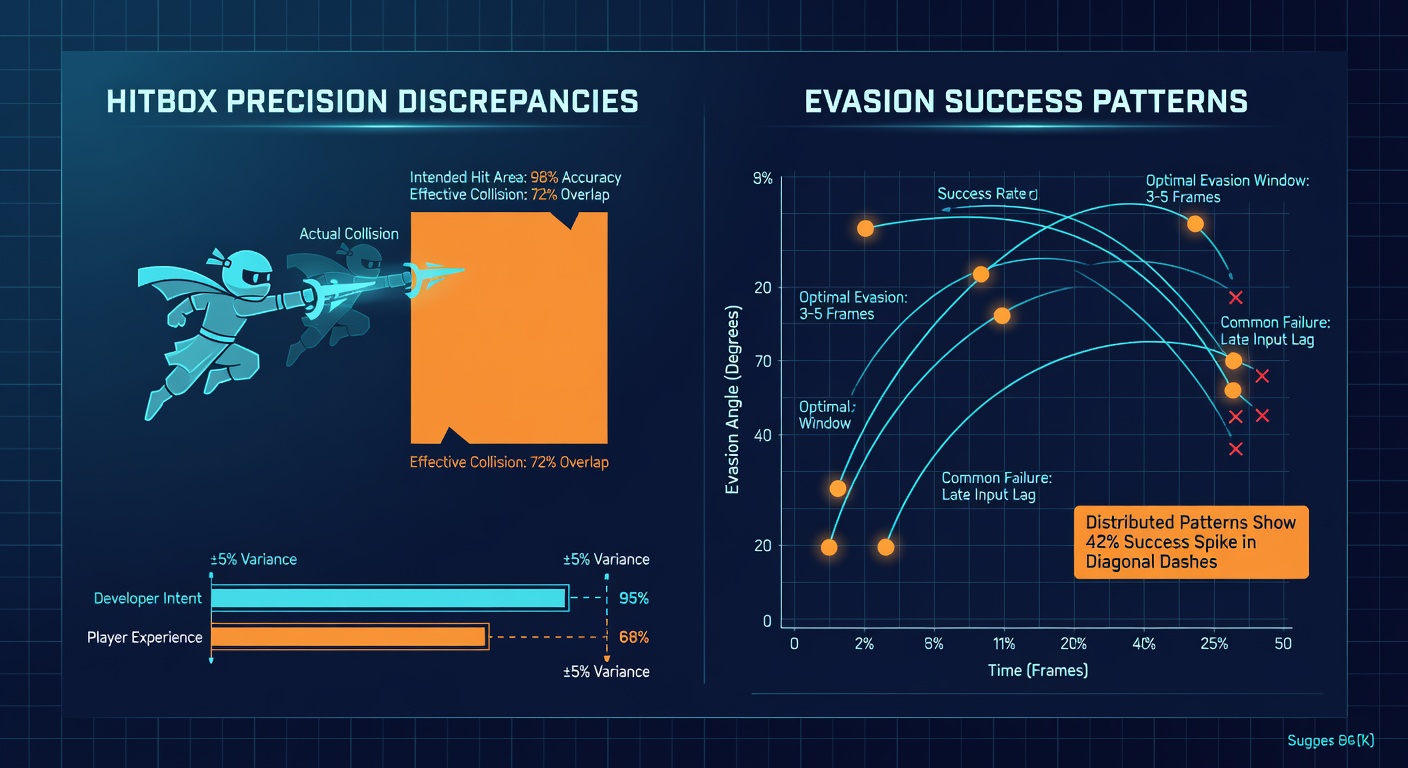
Multiplayer data further illustrates these shifts. When the same character roster appears on both Nintendo Switch and high-end PCs, players report different optimal evasion timings for moves such as up-B recoveries and ledge dashes. The European Games Technology Association compiled telemetry from over 200,000 online sessions and found that hardware refresh rate correlates strongly with successful air-dodge frequency, especially in the 60 Hz to 120 Hz range. Short hops and fast falls remain consistent across generations, yet the window for mixing in directional influence during hitstun narrows measurably on faster hardware.
Community Data and Tournament Standards
Organizers increasingly standardize equipment to reduce variance. Major events now list approved display types and controller connections, citing internal testing that shows input latency differences of 16 milliseconds can change the outcome of one-in-three close exchanges. Community databases maintained by groups such as the Platform Fighter Data Project aggregate thousands of hours of footage, allowing analysts to isolate hardware as the variable while holding character matchups constant. These repositories reveal that certain stages exhibit larger discrepancies because of background scrolling effects that interact differently with older rendering pipelines.
Conclusion
Hitbox precision and evasion outcomes continue to evolve as platform fighters move across hardware generations, with documented differences in detection windows and success rates tied directly to processing speed, display technology, and input methods. Ongoing collection of match data from both legacy and current systems provides the factual basis for understanding these patterns without relying on subjective preference.