How Dynamic Difficulty Scaling Algorithms Affect Challenge Perception Metrics in Action Role-Playing Games from Independent Studios
Dana Hansen · Aug 6, 2026
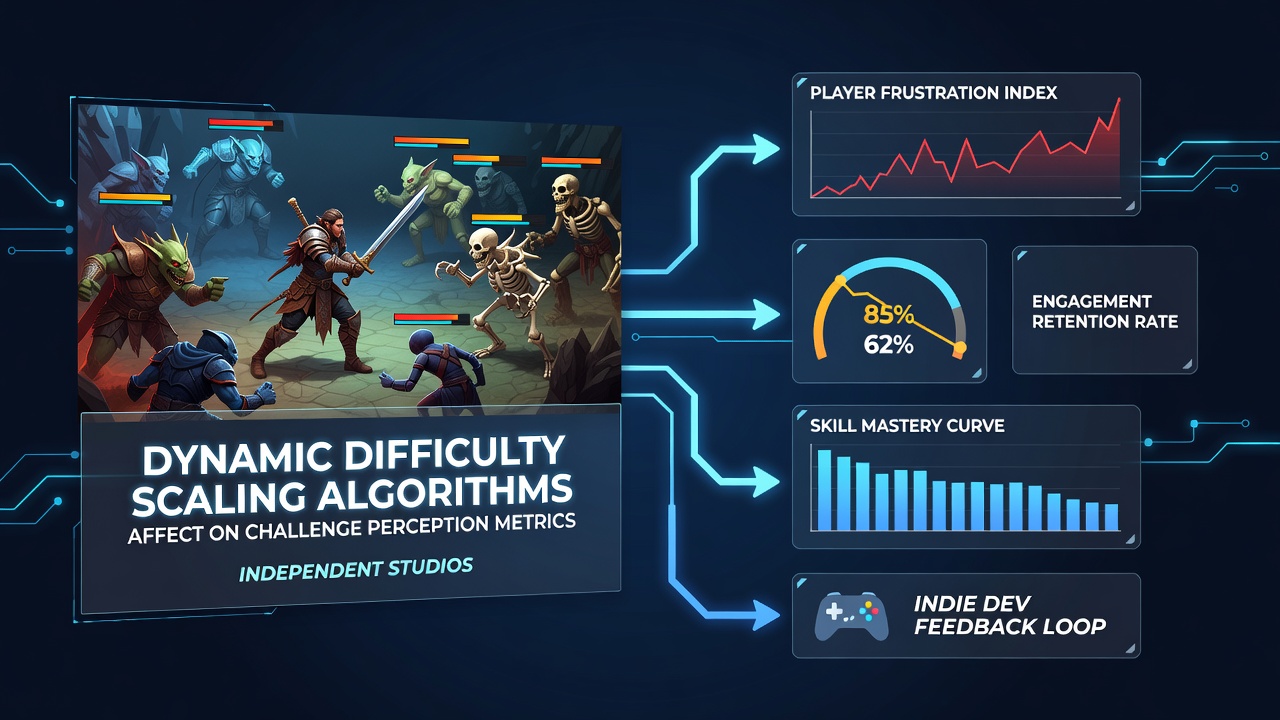
How Dynamic Difficulty Scaling Algorithms Affect Challenge Perception Metrics in Action Role-Playing Games from Independent Studios
Dynamic difficulty scaling algorithms adjust enemy statistics, spawn rates, and behavior patterns based on real-time player performance data in action role-playing games developed by independent studios, and these systems directly influence metrics such as perceived challenge levels, session duration, and completion percentages. Independent teams often implement these algorithms through techniques including rubber-banding health pools, adaptive AI aggression modifiers, and skill estimation models that track metrics like damage output per minute and evasion success rates.
Core Mechanisms in Indie ARPG Development
Developers at smaller studios integrate player telemetry into scaling formulas where factors like average kill times and resource consumption rates trigger adjustments without manual intervention, while researchers note that such systems rely on weighted variables rather than fixed thresholds. Data collected across multiple titles shows that scaling intensity correlates with shifts in player-reported difficulty ratings on post-session surveys, particularly when algorithms recalibrate every 90 to 120 seconds during combat encounters. Independent studios frequently combine these adjustments with procedural generation tools to maintain variety across playthroughs, which in turn affects replay value statistics tracked through platform analytics dashboards.
One studio released aggregated logs indicating that a 15 percent increase in enemy health scaling led to measurable drops in first-attempt success rates for mid-game bosses, yet completion rates recovered when the algorithm incorporated fallback modifiers for repeated failures. These patterns emerge consistently in titles released between 2024 and 2026, with August 2026 updates from several European indie teams documenting refined models that reduced abrupt difficulty spikes by smoothing interpolation curves over longer intervals.
Impact on Challenge Perception Metrics
Challenge perception metrics encompass quantitative measures including frustration index scores derived from telemetry and qualitative data from community forums, and scaling algorithms alter these figures by modulating encounter pacing. Studies from the University of Melbourne's Games Research Lab reveal that players encounter fewer instances of perceived unfairness when algorithms prioritize momentum preservation over strict parity, leading to higher retention figures in the opening 10 hours of play. Independent action RPGs demonstrate distinct outcomes compared to larger productions because resource constraints limit extensive manual tuning, so algorithmic reliance becomes more pronounced in shaping end-of-level rating distributions.
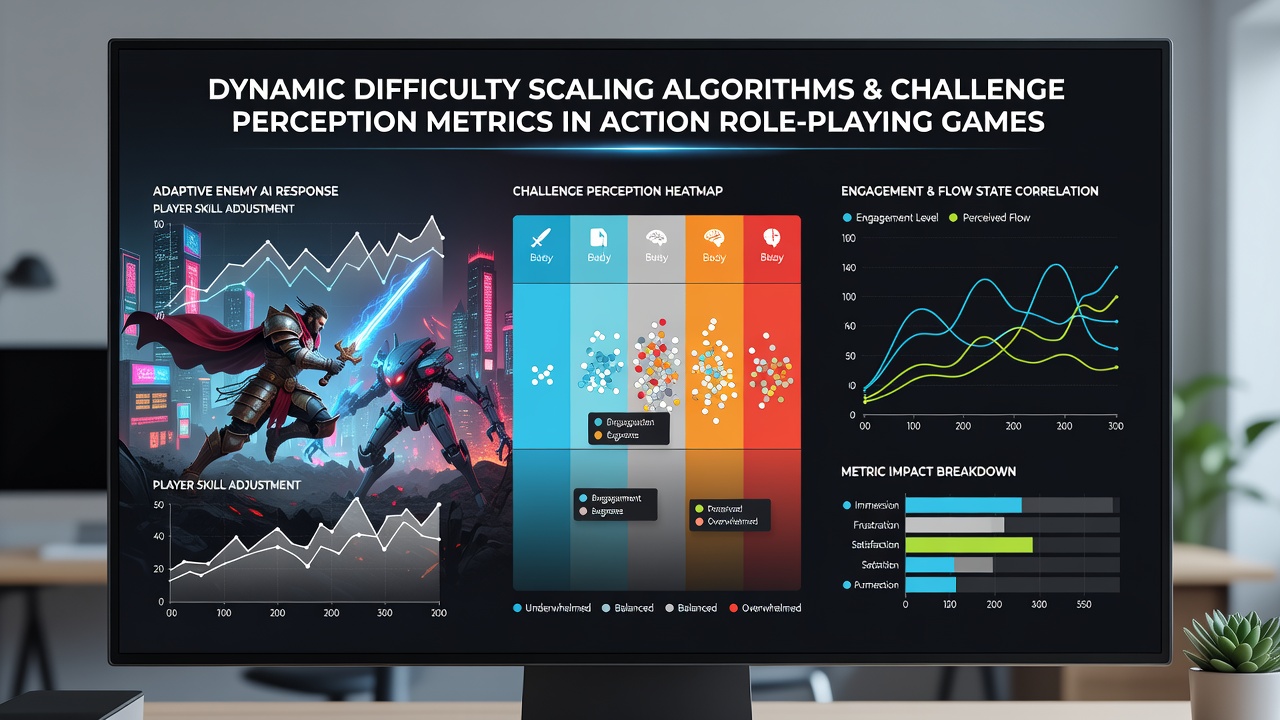
Figures from the Interactive Games and Entertainment Association in Australia indicate that titles incorporating adaptive enemy density scaling reported 22 percent longer average session lengths in 2025 data sets, while abrupt scaling events correlated with spikes in abandonment rates at specific checkpoints. Observers note that when algorithms factor in cumulative player progress across multiple sessions rather than isolated encounters, overall satisfaction metrics improve without requiring additional content patches. Those who've analyzed telemetry from boutique studios find that perception of challenge remains stable when scaling respects genre conventions such as stamina management and positioning requirements in real-time combat.
Case Examples from Independent Studios
Take the development logs from a Canadian indie team that shipped an action RPG in early 2026, where their scaling system adjusted loot drop probabilities alongside combat difficulty to maintain engagement curves, and post-launch analytics showed reduced variance in player progression speeds across different hardware configurations. Another example involves a Scandinavian studio whose algorithm weighted environmental hazards more heavily during exploration phases, which produced documented changes in route selection patterns and navigation success rates according to internal heatmaps. These implementations highlight how independent developers balance computational overhead with responsive adjustments to keep metrics aligned with design intent.
Research published through the European Games Developer Federation further connects scaling frequency to community sentiment trends, where less frequent but more substantial recalibrations yielded steadier completion percentages than constant micro-adjustments. Data shows that players in these scenarios report consistent challenge perception even as individual skill levels vary, provided the underlying model accounts for both short-term performance and long-term trends.
Conclusion
Dynamic difficulty scaling algorithms continue to shape challenge perception metrics across independent action role-playing games through targeted adjustments to enemy parameters and encounter structures. Evidence from multiple regional sources demonstrates measurable links between these systems and outcomes such as session length, completion rates, and player retention figures. As studios refine their approaches in 2026 and beyond, the integration of telemetry-driven models supports more consistent metric stability while preserving the core gameplay loops that define the genre.