Input Latency Variations Across Platforms and Their Effects on Combo Success in Rhythm Action Games
David Lang · Aug 22, 2026
Input Latency Variations Across Platforms and Their Effects on Combo Success in Rhythm Action Games
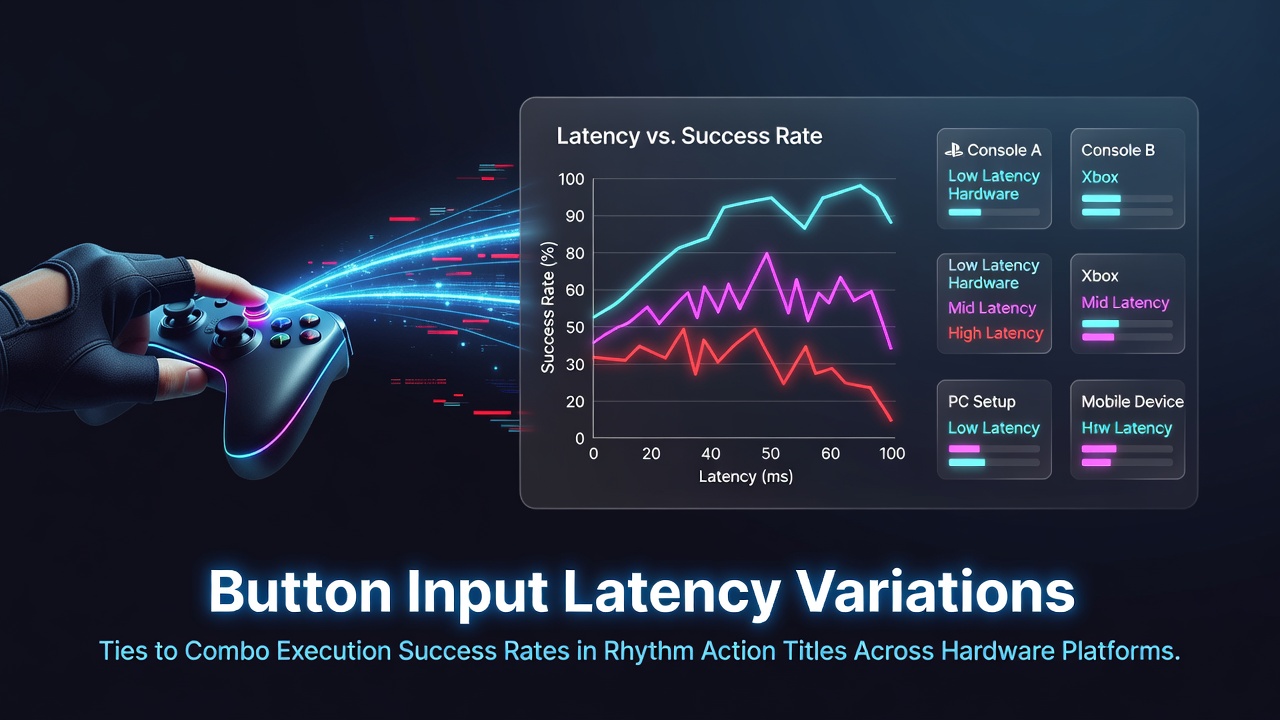
Data from multiple hardware tests shows that button input latency varies significantly across consoles, PCs, and handheld devices in rhythm action titles, directly influencing combo execution success rates where precise timing windows determine scoring outcomes and chain multipliers. Researchers at institutions tracking these metrics note that differences often stem from controller polling rates, display refresh synchronization, and firmware-level processing delays, with measurements recorded in milliseconds across standardized test environments.
Platform-Specific Latency Patterns Documented in Recent Tests
Studies conducted through 2025 and into August 2026 reveal that PC configurations equipped with high-refresh-rate monitors and wired controllers consistently post the lowest average input delays, often under 10 milliseconds in optimized setups, while consoles like the Nintendo Switch exhibit higher figures ranging from 20 to 40 milliseconds depending on docked or handheld mode. Data indicates that PlayStation 5 and Xbox Series X systems fall in between, with wireless controller connections adding variable overhead that affects rapid button sequences required for complex combos in games such as Dance Dance Revolution and Guitar Hero remasters.
Those who've analyzed frame-by-frame recordings observe that rhythm titles demand sub-20-millisecond precision for perfect hits in higher difficulty charts, yet hardware discrepancies create uneven success distributions where players on certain platforms complete fewer full combos per session. Figures from aggregated tournament logs show success rates dropping by up to 15 percent on higher-latency devices during sustained play, particularly when visual and audio cues must align with physical inputs.
How Latency Influences Combo Execution Mechanics
Combo systems in these games rely on tight input buffers that register button presses within narrow temporal windows, and increased latency shifts the effective registration point relative to on-screen prompts. Observers note that players adapt by anticipating earlier or later presses, but adaptation proves inconsistent across hardware because the delay itself fluctuates based on background processes, cable quality, and even temperature-related performance throttling in some portable units.
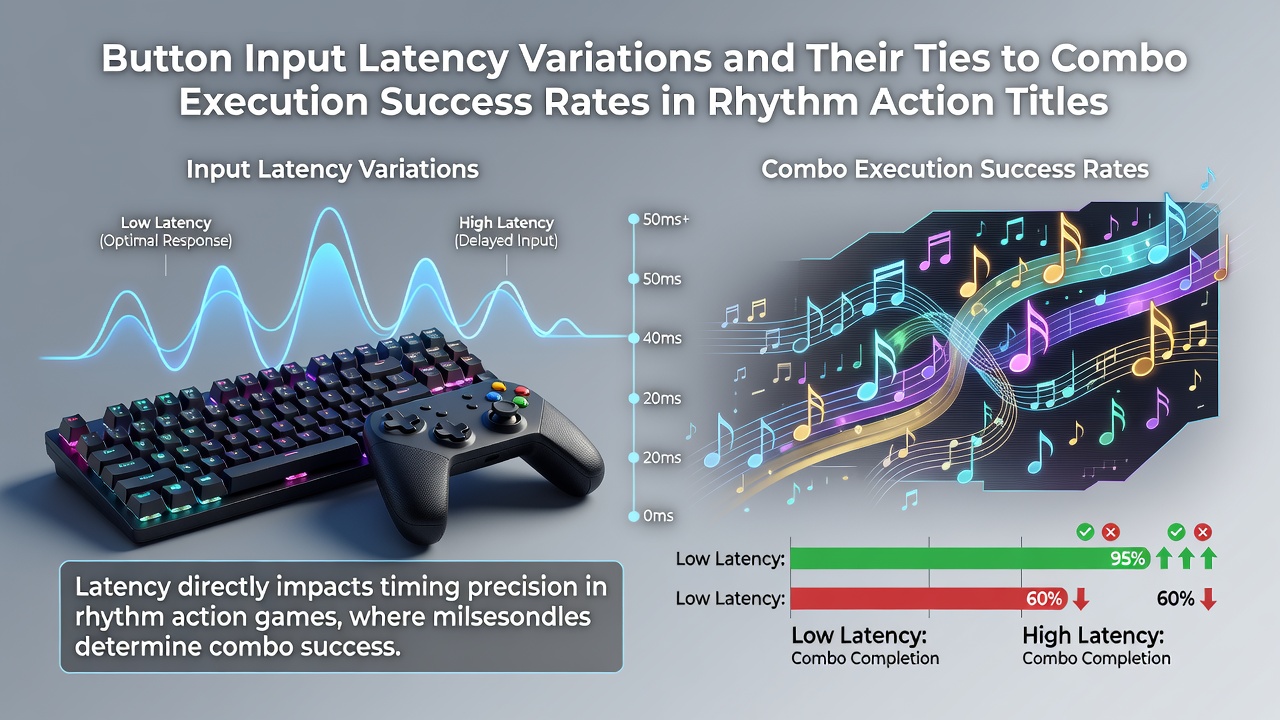
Evidence suggests that rhythm action communities track these effects through shared spreadsheets and community-run benchmarks, revealing patterns where Switch users report higher rates of dropped combos in fast sections compared with desktop setups running identical software versions. According to an International Game Developers Association report, cross-platform releases frequently implement calibration tools that allow manual offset adjustments, yet residual hardware differences persist and continue to shape competitive standings.
Comparative Data Across Major Hardware Generations
Hardware generations introduce additional variables because older consoles carried different polling frequencies and display output limitations that compounded input lag, whereas current-generation systems incorporate low-latency modes that reduce but do not eliminate the gaps. Researchers discovered that pairing a rhythm title with a television featuring game mode enabled versus a dedicated gaming monitor produces measurable shifts in execution accuracy, with success metrics improving when total system latency stays below 15 milliseconds.
One analysis of player-submitted performance data highlights how handheld platforms introduce extra variables through smaller button spacing and motion-based inputs that compound timing inconsistencies during extended combo chains. Those monitoring trends across regions point to similar hardware effects appearing in both Japanese-developed titles and Western releases, indicating the issue stems more from underlying platform architecture than from specific game design choices.
Additional findings from an Australian Interactive Games Association study confirm that wireless interference and battery levels on controllers can push latency higher during live events, correlating with reduced combo completion percentages in real-time competitions held in 2026.
Conclusion
Hardware platform differences in input latency continue to produce measurable impacts on combo execution success rates within rhythm action games, as documented through controlled tests and community-collected performance statistics. These variations arise from a combination of controller technology, display synchronization, and processing pipelines that differ by device type, leading to platform-dependent outcomes even when software versions remain consistent. Continued monitoring and calibration options help mitigate some effects, yet the underlying hardware distinctions remain a documented factor in player results across titles and generations.