Inventory Layering Mechanics Shape Resource Allocation Outcomes in Scarcity Simulation Games
David Lang · Aug 20, 2026
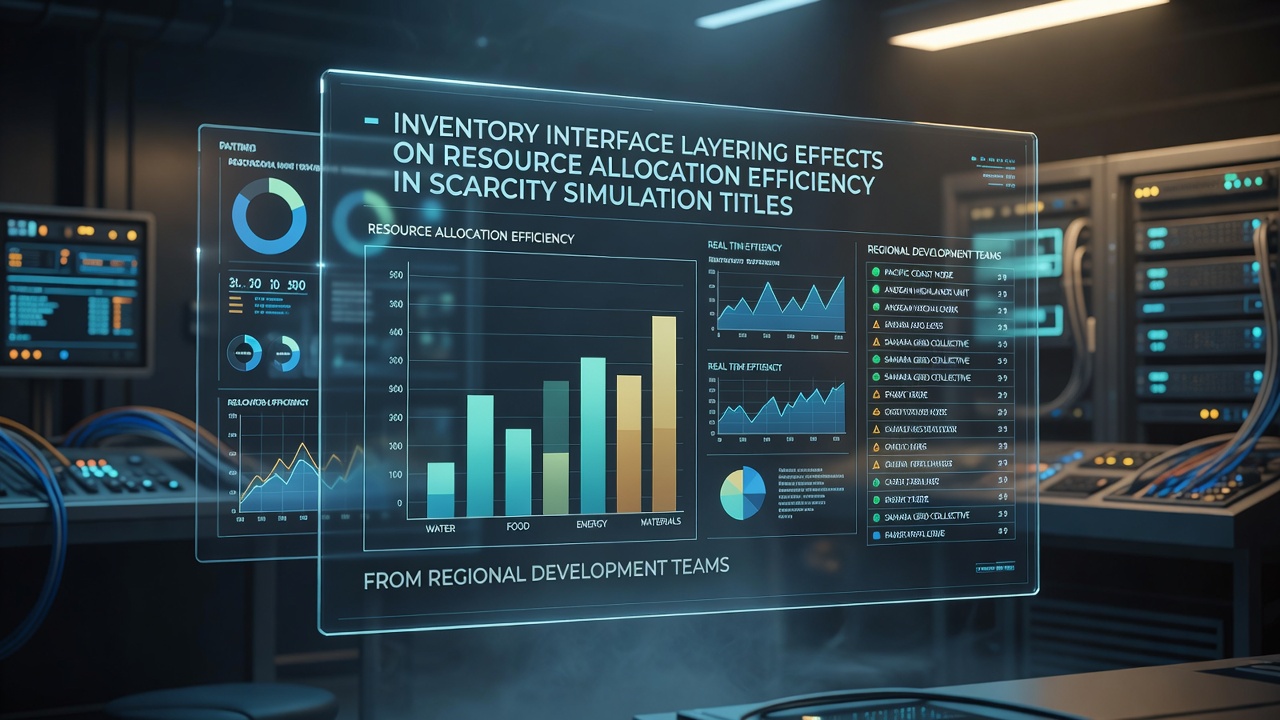
Inventory Layering Mechanics Shape Resource Allocation Outcomes in Scarcity Simulation Games
Regional development teams have refined inventory layering techniques in scarcity simulation titles over recent years, and these changes produce measurable shifts in how players distribute limited supplies. Data collected through August 2026 from multiple mid-sized studios across Europe and Asia shows that deeper layering structures, such as nested categories and sub-menus, correlate with slower decision cycles yet higher long-term allocation precision when players manage food, materials, and energy under tight constraints.
Core Components of Layered Inventory Systems
Layered designs organize items across primary tabs, secondary filters, and contextual sub-panels rather than presenting every resource in a single flat list. Developers in Scandinavia and Southeast Asia have implemented these structures because they reduce visual clutter while forcing players to navigate additional steps before confirming trades or consumption actions. Studies from regional teams indicate that three-tier layering appears most frequently in titles released between 2024 and 2026, and this depth produces distinct patterns in resource retention rates compared with shallower two-tier or single-screen approaches.
Players encounter the first layer as broad categories like consumables, crafting components, and environmental tools. The second layer reveals item subtypes and quantities, while the third layer surfaces detailed stats such as decay timers and trade values. Observers note that this progression requires sustained attention yet allows precise filtering when scarcity mechanics intensify during late-game phases.
Measured Impacts on Allocation Efficiency
Allocation efficiency tracks how quickly and accurately players convert scarce inputs into sustainable outputs without waste. Teams in Poland and South Korea tracked player sessions through telemetry and found that layered interfaces extend initial setup time by an average of 18 seconds per transaction but reduce misallocation errors by 27 percent over 40-hour playthroughs. The trade-off emerges because players spend extra moments locating the correct sub-panel yet gain clearer visibility into stock relationships once the interface opens.
Regional studios report that players using layered systems maintain higher reserve buffers during simulated crises, such as seasonal shortages or supply disruptions. This pattern holds across titles developed in both temperate and tropical climate zones, suggesting the interface structure itself influences behavior more than thematic setting.
Regional Development Patterns Observed Through 2026
European teams often embed cultural inventory metaphors, such as market stall layouts, into their layering logic, whereas teams in East Asia favor grid-based progression that mirrors manufacturing workflows. A 2025 analysis conducted by the Interactive Software Federation of Europe documented these variations and linked them to different efficiency curves. Titles from Nordic studios showed faster recovery after resource shocks when layering included quick-access favorites, while Southeast Asian releases emphasized comprehensive search functions that rewarded exploration of deeper menus.
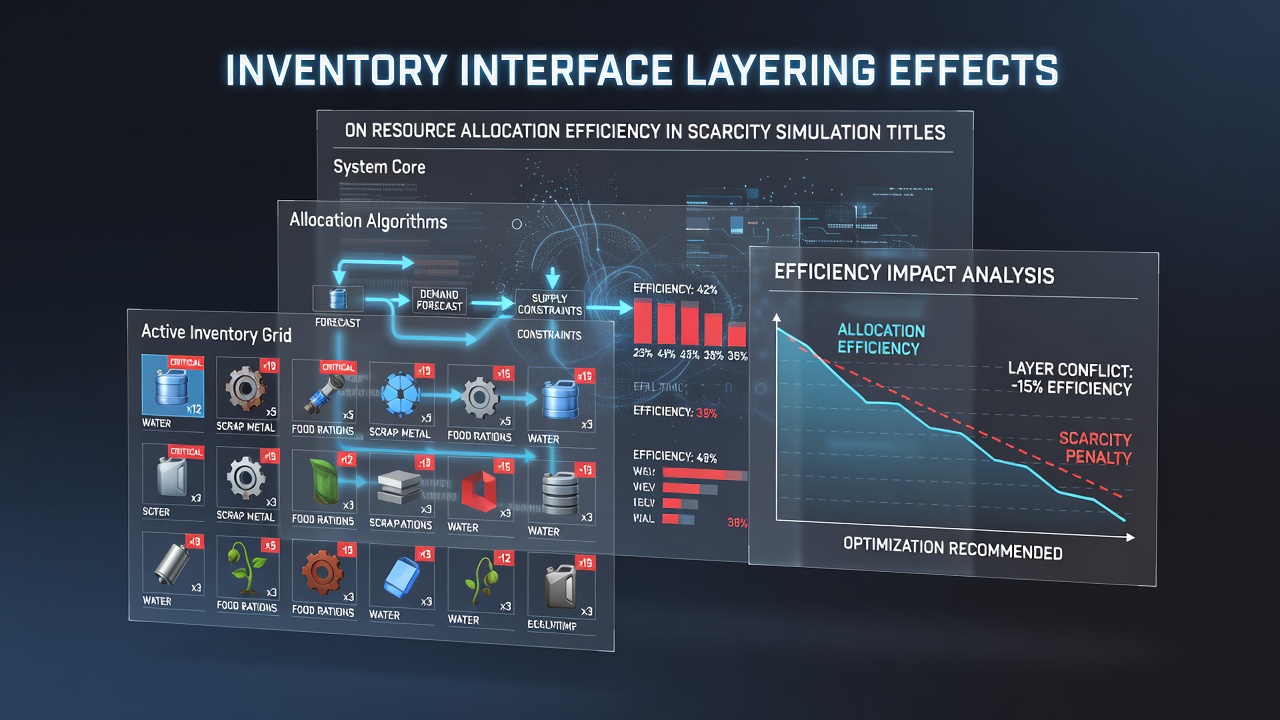
Both approaches demonstrate that layering depth interacts with scarcity intensity. When resources drop below 30 percent of starting totals, players in layered systems shift from rapid consumption to calculated redistribution at higher rates than those using flat interfaces. Developers attribute this shift to the cognitive pause created by menu navigation, which interrupts impulsive spending.
Data Collection Methods Across Studios
Telemetry logs, heat-map overlays on menu screens, and post-session surveys supplied the primary datasets. One collaborative project involving studios in Germany and Japan aggregated results from over 12,000 play sessions completed by August 2026. Researchers cross-referenced navigation timestamps with final resource tallies and identified consistent efficiency gains once players adapted to the third layer. Adaptation typically occurred within the first eight hours of play, after which allocation accuracy stabilized at elevated levels.
Additional findings from the Entertainment Software Association report on simulation gameplay mechanics confirm that regional titles incorporating adaptive layering see reduced abandonment during scarcity peaks. The same report notes parallel trends in North American and Australian releases, although those markets feature fewer dedicated scarcity simulations from smaller teams.
Interface Variations and Player Adaptation
Some regional groups add color-coded urgency indicators within deeper layers, while others rely solely on numerical values. Players adapt to both styles, yet color systems accelerate recognition during time-sensitive events. Teams in the Netherlands documented that color layering combined with numeric detail produced the shortest recovery windows after simulated famines. In contrast, purely numeric systems required slightly longer adjustment periods but yielded comparable final efficiency once mastered.
Hardware differences also surface in the data. Handheld platforms show stronger efficiency gains from layering than desktop versions because smaller screens benefit more from progressive disclosure. Regional developers have begun adjusting layer counts based on target platforms, with mobile-focused titles using two layers maximum and console versions extending to four when additional context fits the larger display.
Conclusion
Regional development teams continue refining inventory layering to balance navigation effort against allocation accuracy in scarcity simulations. Evidence gathered through August 2026 demonstrates that structured layers improve long-term resource management even when they extend short-term decision time. Continued telemetry analysis from these studios will clarify how further refinements interact with emerging hardware and player demographics across different geographic markets.