Leaderboard Position Volatility and Competitive Engagement Durations in Mobile Sports Simulations
David Lang · Jul 21, 2026
Leaderboard Position Volatility and Competitive Engagement Durations in Mobile Sports Simulations
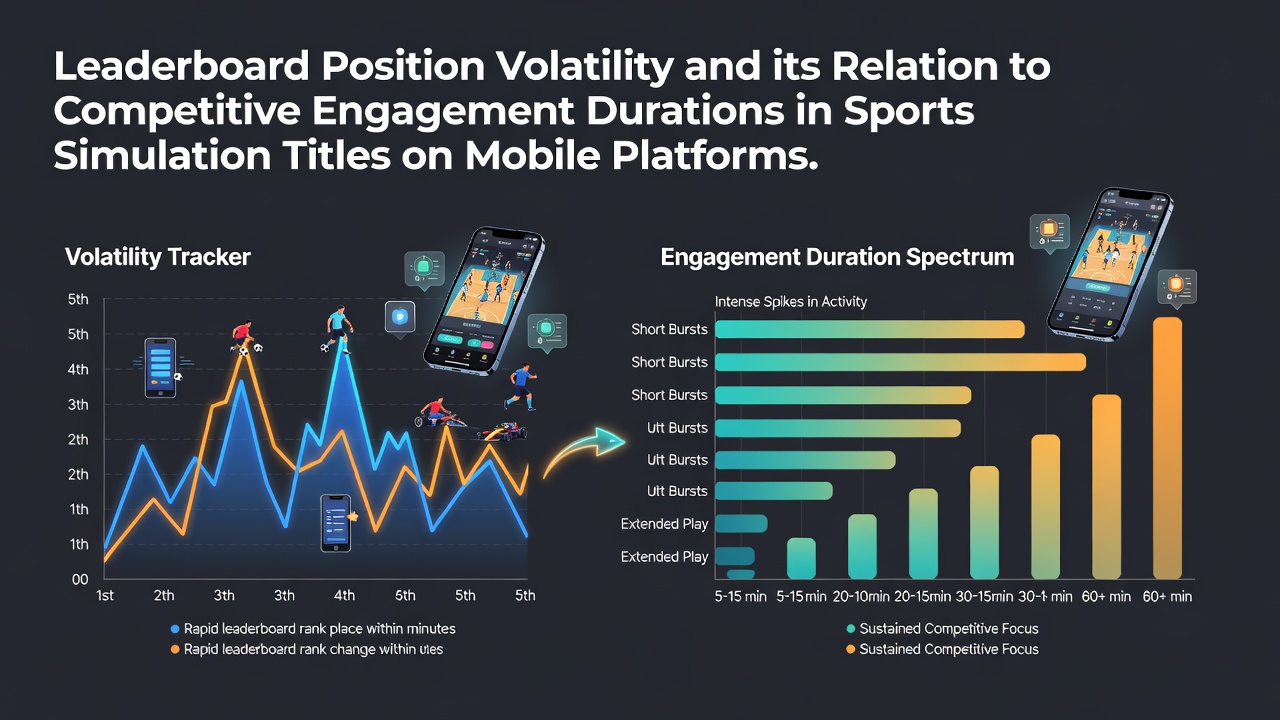
Leaderboard position volatility refers to the rate at which player rankings shift in competitive mobile sports simulation titles, and data from multiple industry reports connects these fluctuations directly to patterns in how long users maintain active competitive play. Titles such as mobile versions of soccer, basketball, and racing simulations generate daily ranking updates based on match outcomes, and researchers tracking these systems have documented swings that range from minor daily adjustments to dramatic drops of dozens of positions within hours. Observers note that volatility often stems from factors including match frequency, opponent skill distribution, and algorithm adjustments that recalibrate scores after large player cohorts complete events.
Measurement Approaches in Mobile Platforms
Analysts measure volatility through metrics such as position change per session and standard deviation of ranking over weekly intervals, while engagement duration tracks the number of consecutive days users log competitive matches before extended breaks. Figures from aggregated platform data indicate that sports simulations on mobile devices exhibit higher volatility rates than other genres because of their reliance on real-time matchmaking pools that expand and contract with global time zones. A study conducted by researchers at the University of Melbourne found correlations between rapid ranking drops and reduced session lengths in the weeks following major seasonal resets.
Patterns Observed Across Title Categories
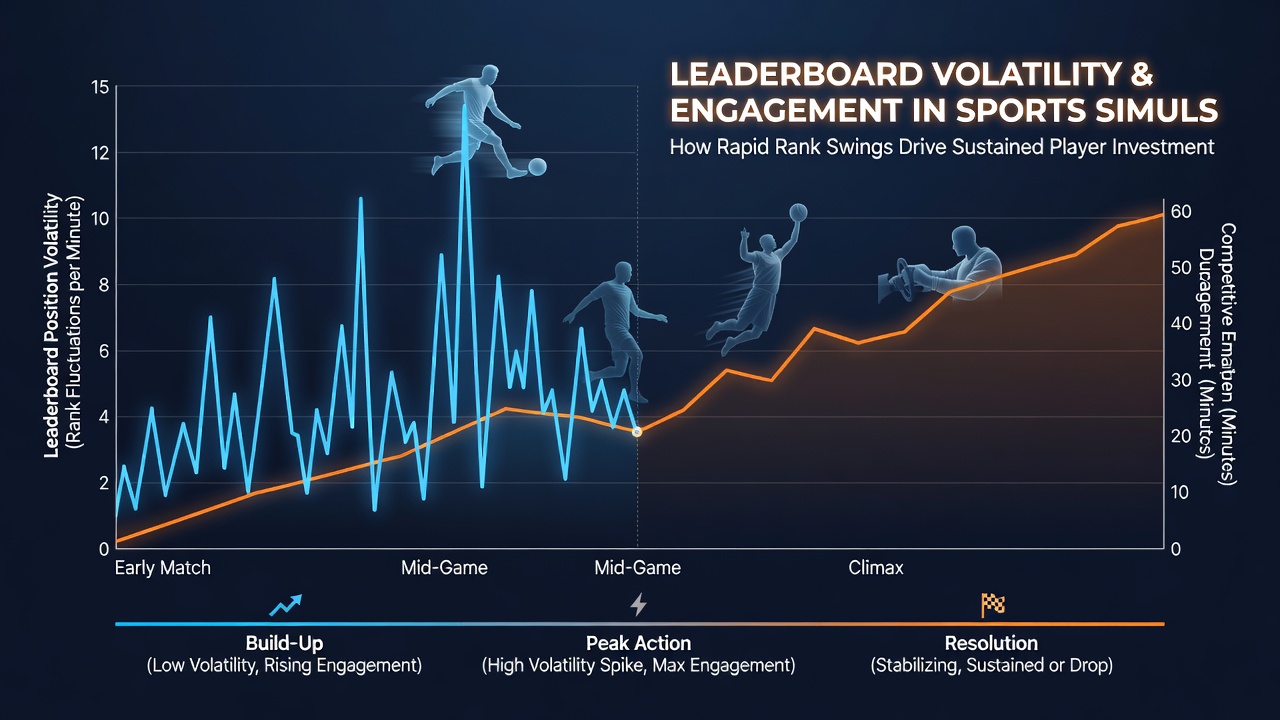
In basketball simulation apps, players who experience consistent mid-tier ranking stability tend to sustain competitive engagement for periods averaging 45 to 60 days, whereas those encountering repeated volatility episodes show engagement spans that shorten by 15 to 20 percent according to telemetry collected through July 2026. Soccer simulation titles display similar trends, with data revealing that users who climb into top-percentile brackets after volatile periods often extend their active durations by logging additional daily matches to defend positions. Racing simulations on mobile platforms introduce another variable through time-trial leaderboards that update continuously, and reports indicate these systems produce volatility spikes during weekend events when participation peaks.
Influences from Matchmaking and Update Cycles
Matchmaking algorithms play a central role because they pair players across wide skill ranges during off-peak hours, which can generate unexpected wins or losses that shift leaderboard positions sharply. Those who have examined mobile sports data note that titles releasing balance patches every two to three weeks see temporary volatility increases lasting three to five days post-update, after which engagement durations stabilize for cohorts that adapt quickly. External factors such as device performance variations and network latency further contribute because they influence match outcomes in ways that feel outside player control, prompting some users to reduce competitive play frequency.
Regional Data Variations
Regional differences appear in available datasets, with North American players showing slightly longer average engagement durations under moderate volatility compared to European cohorts tracked in the same titles. Industry analyses from the Entertainment Software Association highlight that mobile sports simulations maintain higher daily active user retention when volatility remains within predictable bands, and one report links these patterns to reward structures that buffer against extreme ranking swings. Academic papers examining Asian mobile markets have documented cases where leaderboard resets timed with regional holidays produce short-term engagement spikes followed by accelerated drop-off among mid-ranked participants.
Connections to Broader Retention Metrics
Telemetry studies continue to explore how volatility interacts with progression systems because many mobile sports titles tie competitive rewards to leaderboard placement, creating direct incentives that either prolong engagement or accelerate exits depending on individual tolerance for ranking flux. Data collected through mid-2026 shows that users who monitor position changes through in-app notifications maintain competitive streaks longer when volatility stays below certain thresholds, while those without such tools often disengage after three or four consecutive ranking losses. These observations come from platform-wide aggregates rather than isolated title analyses, which allows researchers to identify consistent cross-title behaviors in the sports simulation category.
Conclusion
Available evidence establishes measurable ties between leaderboard position volatility and competitive engagement durations in mobile sports simulations, with patterns emerging across basketball, soccer, and racing formats. Continued monitoring of these dynamics provides developers with concrete indicators for adjusting matchmaking parameters and reward pacing, while researchers gain clearer pictures of how ranking systems shape sustained player activity on mobile platforms.