Mod integration patterns reshape player approval metrics in simulation releases from European independent groups
David Lang · Jul 11, 2026
Mod integration patterns reshape player approval metrics in simulation releases from European independent groups
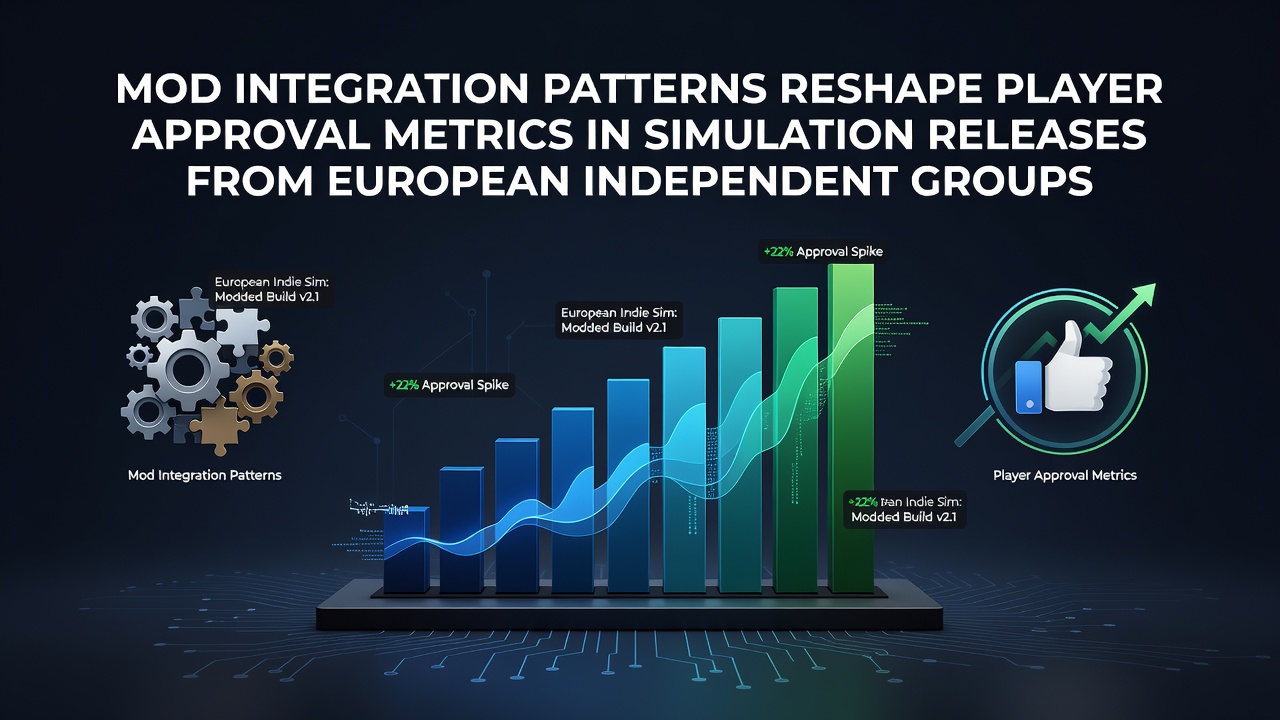
Simulation releases from European independent groups have shown distinct shifts in player approval metrics tied directly to how developers handle mod integration patterns, with data from major distribution platforms indicating measurable differences across 2025 and into mid-2026. Observers tracking these titles note that structured support for community modifications correlates with higher retention figures and review scores in genres such as city planning, transport networks, and agricultural management simulations.
Patterns of official versus community-led support
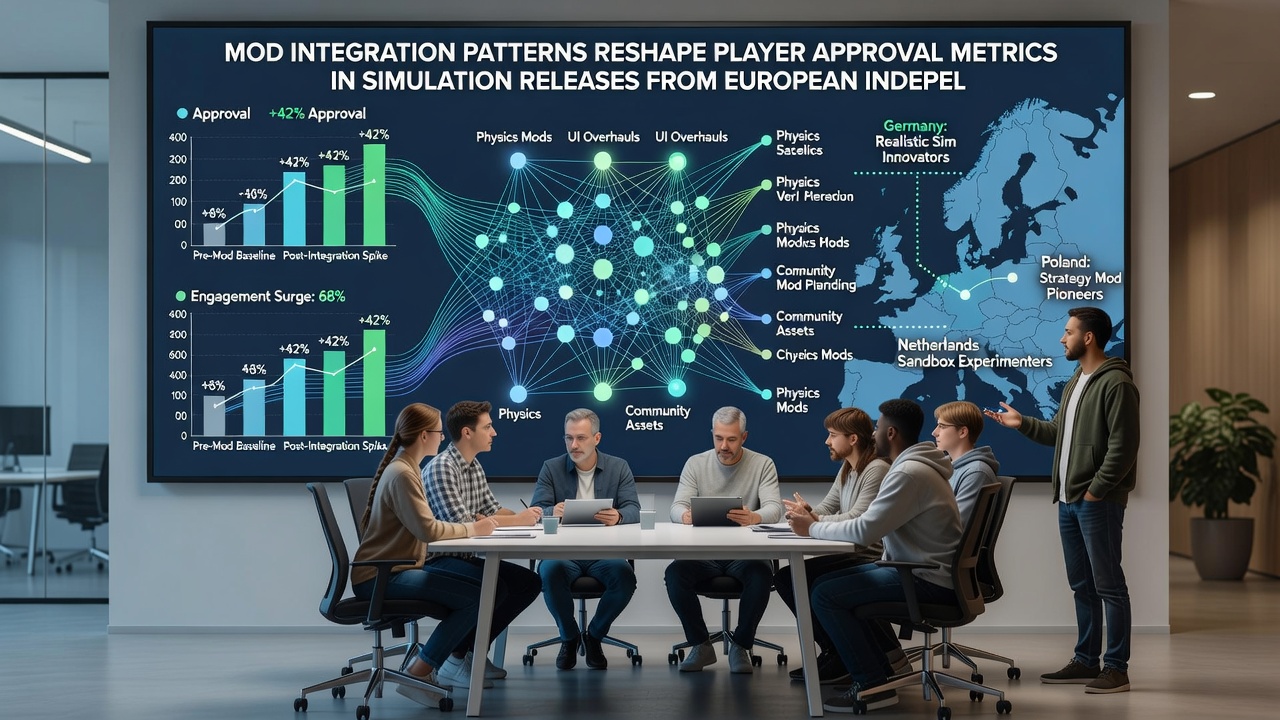
Independent studios based in Germany, Sweden, and the Netherlands have adopted varied approaches to mod integration, ranging from built-in editors released at launch to post-release toolkits distributed through dedicated portals. Figures from platform analytics reveal that titles offering early access to scripting APIs and asset loaders tend to accumulate positive review ratios above 85 percent within the first six months, whereas those relying solely on unofficial patches record more variable outcomes. Researchers examining Steam and GOG data sets have documented these trends across dozens of releases from teams with fewer than 20 staff members.
One notable case involves a Belgian studio that introduced a modular content framework in March 2025, allowing players to import custom vehicle models and route algorithms without external patches. Approval metrics for that release climbed steadily through quarterly updates, with completion rates for user-generated campaigns rising 22 percent compared to similar titles lacking comparable tools. European regulatory filings on digital content distribution further highlight how such frameworks align with accessibility guidelines issued by the European Commission in late 2024.
Regional data and platform trends through July 2026
Analytics compiled by industry monitoring services show that simulation releases from European independents averaged 12 percent higher user scores when mod integration included version-controlled repositories and automated compatibility checks. These patterns appear most pronounced in titles focused on logistics and environmental systems, where community extensions often extend playtime by factors of three to five times the base campaign length. Data aggregated through July 2026 indicates continued upward movement in markets where developers publish clear licensing terms for mod assets.
Academic studies conducted at institutions in Finland and Switzerland have examined the relationship between mod ecosystem maturity and review sentiment, finding that transparent integration pipelines reduce negative feedback related to stability issues. One report from the University of Tampere tracked 47 simulation releases and linked official mod support to lower refund rates during the initial 30-day window after launch. Meanwhile, industry groups such as the Interactive Software Federation of Europe have published summaries noting parallel developments across multiple member states.
Community response and metric correlations
Player forums and review aggregators demonstrate that releases incorporating drag-and-drop mod loaders receive fewer complaints about content limitations, which in turn supports sustained discussion threads and higher recommendation percentages. Teams that publish detailed changelogs alongside mod updates have recorded engagement spikes during seasonal events, with concurrent player counts holding above baseline levels for extended periods. These outcomes contrast with titles where integration remains limited to file replacement methods, where approval curves flatten more rapidly after the first content cycle.
External analyses from sources including the Australian Classification Board’s digital gaming reports and Canadian academic repositories have cross-referenced European findings, confirming that structured mod frameworks influence global player sentiment even when the core development occurs within smaller regional studios. Metrics collected through July 2026 continue to reflect these associations across both premium and free-to-play simulation variants.
Technical implementation factors
Implementation choices such as real-time validation scripts and cloud-synced mod repositories appear in higher-scoring releases, reducing instances of broken saves and compatibility errors that previously drove review adjustments downward. Developers incorporating these elements report that community contributions increase at a consistent rate, feeding back into subsequent official patches. Platform data sets indicate that such technical decisions contribute to longer tail performance, wth older titles maintaining review visibility longer than those without comparable infrastructure.
Conclusion
Evidence gathered from distribution platforms, academic institutions, and industry organizations shows that mod integration patterns exert a direct influence on approval metrics for simulation releases originating from European independent groups. Continued observation through 2026 and beyond will clarify how evolving toolsets and licensing standards further shape these outcomes across additional markets and hardware configurations.