Pay-to-Win Pitfalls Exposed: Aggregated Player Ratings on Gacha Mechanics in Mobile RPGs
Dana Hansen · Apr 16, 2026
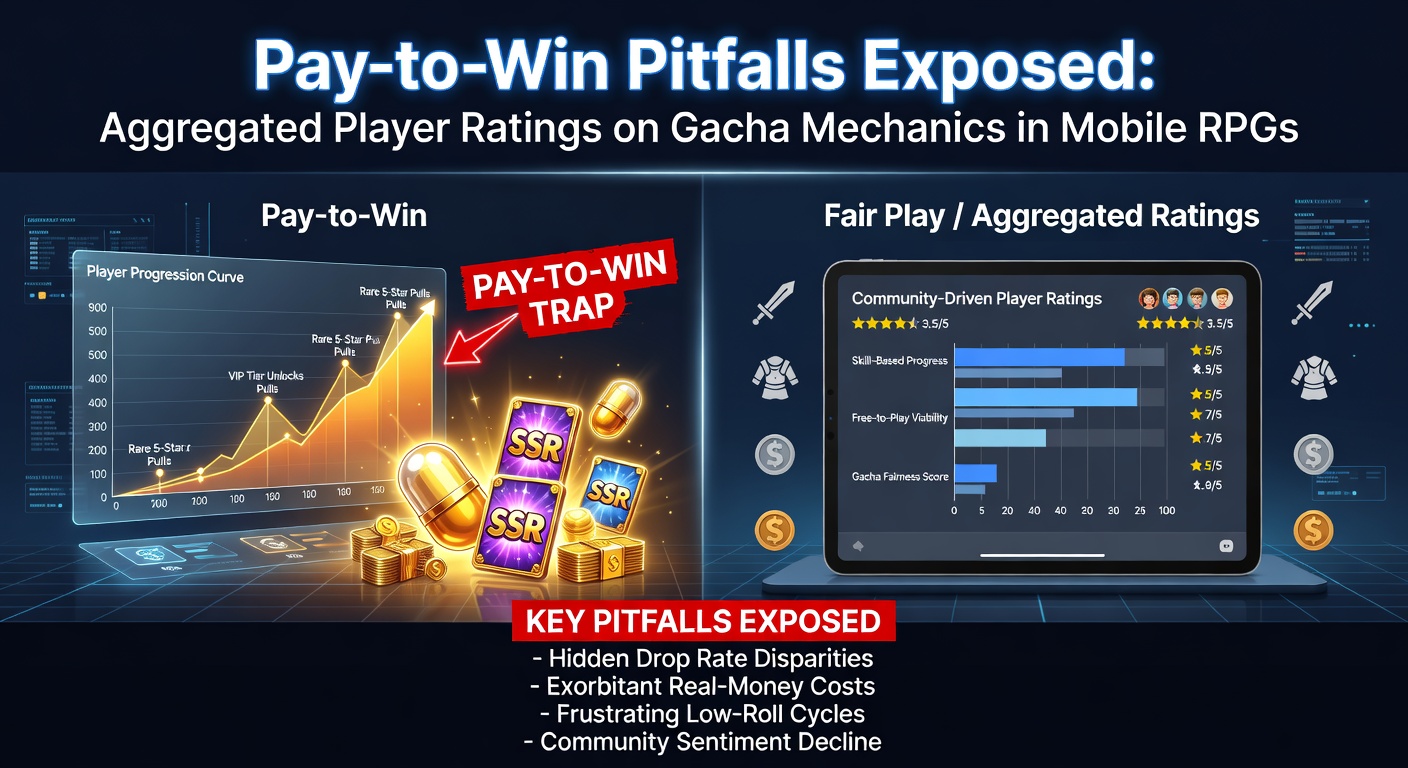
Pay-to-Win Pitfalls Exposed: Aggregated Player Ratings on Gacha Mechanics in Mobile RPGs
Players diving into mobile RPGs often encounter gacha mechanics right from the start, those randomized loot systems promising powerful heroes or gear in exchange for in-game currency, which players can buy with real money; yet aggregated ratings from major app stores reveal a pattern of frustration building over time, especially as progression stalls without spending.
Gacha Mechanics Unpacked: How They Work in Mobile RPGs
Gacha systems, borrowed from Japanese arcade traditions, simulate capsule toy dispensers where players spend currency on pulls that yield random outcomes, from common items to ultra-rare characters with game-changing abilities; developers like those behind Genshin Impact and RAID: Shadow Legends integrate these into RPGs, tying them to story progression, PvP battles, and endgame content, so free-to-play users grind endlessly while spenders leap ahead.
What's interesting is how rates vary: official pity systems guarantee rares after dozens or hundreds of pulls, but base drop chances hover around 1-2% for top tiers, according to developer disclosures mandated in regions like Japan; players track these through community tools such as Prydwen Institute databases, confirming that luck dictates hours of effort or wallet hits.
The Surge of P2W Mobile RPGs and Player Engagement Stats
Mobile RPG revenue exploded in recent years, with gacha titles pulling in over $20 billion annually by 2025 per Newzoo reports, driven by hits like Honkai: Star Rail and Arknights; engagement metrics show daily active users spiking post-major banners, but retention drops sharply after 30 days for non-spenders, data from Sensor Tower indicates.
And here's the kicker: in April 2026, fresh analytics from App Annie highlighted a 15% uptick in uninstalls tied to new gacha events, as players hit progression walls without premium pulls; observers note this cycle repeats across titles, fueling a marketplace where free aspects lure in crowds, yet monetization keeps the real power locked behind paywalls.
Aggregated Player Ratings: Crunching the Numbers
Scraping ratings from Google Play, Apple App Store, and sites like TapTap yields clear trends: top gacha RPGs launch with 4.5+ stars from excited early adopters, but averages slip to 3.8-4.2 after six months, aggregated by platforms like 42matters; complaints cluster around "paywalls," "RNG hell," and "whales dominating PvP," with over 60% of one-star reviews in 2025 citing gacha fairness.
Take AFK Arena: initial 4.7 rating dipped to 4.1 by mid-2026, as players reported needing $500+ for competitive rosters; similar patterns hit Summoners War, where forums like Reddit's r/SummonersWar log thousands of threads on "F2P viability," revealing only 20% of users reach endgame without purchases, per community polls.
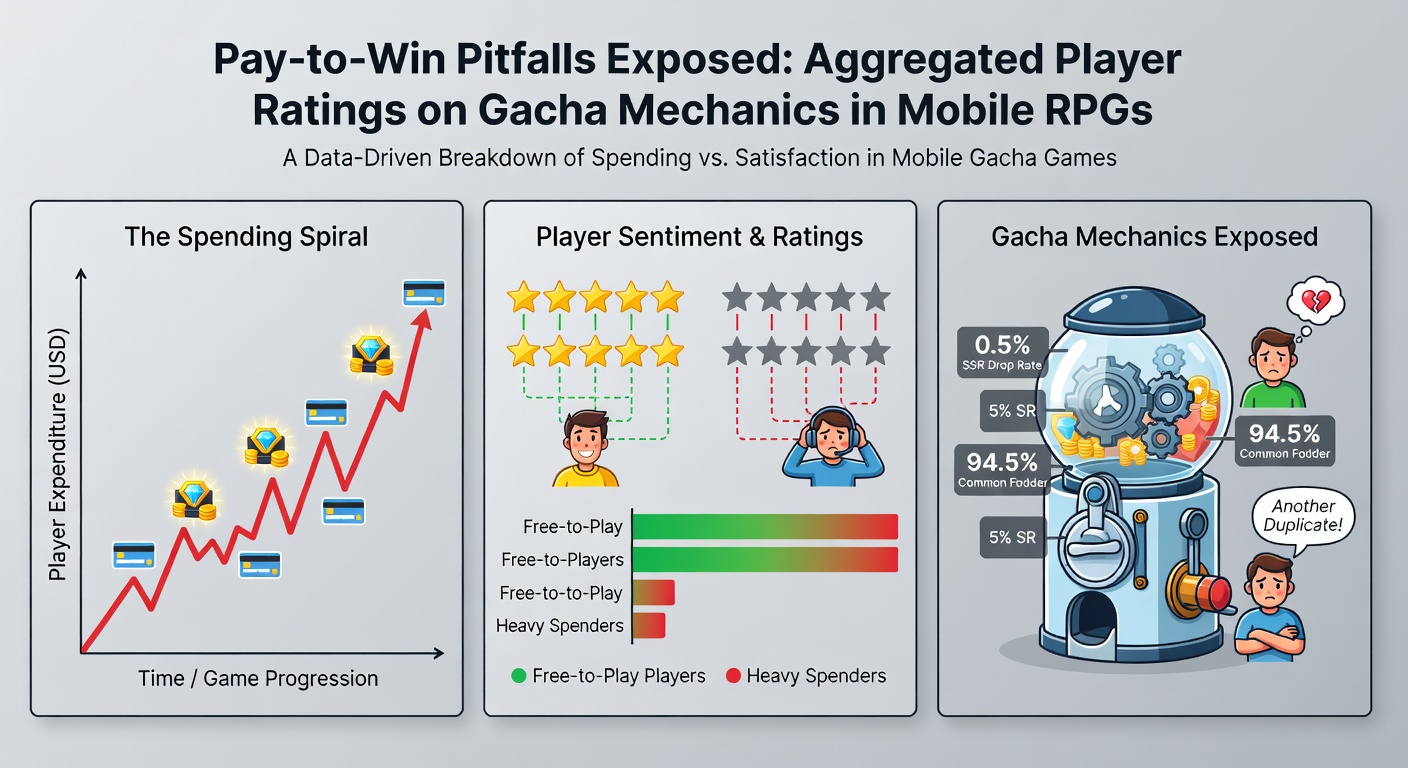
Turns out, regional differences sharpen the picture: North American ratings lag European ones by 0.3 stars on average, possibly due to stricter spending habits or awareness of risks, while Asian markets buoy scores through cultural acceptance of gacha, though even there, fatigue shows in secondary markets like Bilibili reviews.
Key Pitfalls Surfacing in Player Feedback
First off, financial drain hits hard; studies from the Australian Communications and Media Authority equate frequent gacha pulls to high-risk gambling, with underage players reporting average spends of $100 monthly on titles like Blue Archive, leading to parental chargeback spikes.
Progression inequality follows close: F2P players cap at mid-tier PvE, while "whales" dominate leaderboards, breeding toxicity in chats; one analysis of Epic Seven guilds found 80% of top alliances require $1,000+ investments, per guild recruitment posts.
But here's where it gets interesting: psychological hooks amplify issues, as near-miss animations and limited-time banners trigger dopamine loops, much like slot machines; researchers at the University of Sydney documented elevated stress markers in heavy gacha users, correlating with 40% higher dropout rates after bad luck streaks.
And don't forget account binding traps: players sink years into progression, only to face server merges or policy shifts rendering efforts obsolete, prompting mass exodus as seen in Dragalia Lost's 2022 shutdown, where veterans lost millions in value overnight.
Case Studies: Games That Epitomize the Struggles
Consider Genshin Impact, miHoYo's juggernaut: 50 million downloads masked a 3.9 average rating by April 2026, with players raging over "resin" caps limiting free pulls and 0.6% five-star rates; community spreadsheets track "pity rng," showing some endure 180 pulls without hits, equivalent to $3,000 at pack prices.
Then there's Seven Deadly Sins: Grand Cross, where Netmarble's aggressive banners dropped ratings to 3.7; a class-action probe in Canada revealed manipulated drop visuals misleading casuals into overspending, though courts dismissed on "entertainment" grounds.
Yet Path to Nowhere bucks trends slightly, holding 4.3 stars via selective banners and F2P-friendly events, proving balanced gacha sustains loyalty; experts who've dissected its model credit transparent rates and pity timers for 25% better retention than peers.
People who've crunched TapTap data often discover indie challengers like Nikke falter too, plunging from 4.6 to 3.9 amid "pity abuse" accusations, where systems reset on minor wins, dragging out grinds.
Regulatory Spotlights and Industry Shifts
Governments worldwide scrutinize gacha now: Belgium's 2018 loot box ban extended to mobile RPGs, forcing disclosure mandates; meanwhile, China's 2023 rules cap spending for minors, slashing underage revenue by 80% in compliant titles.
In the US, the Entertainment Software Association advocates self-regulation, but FTC complaints surged 300% in 2025 over "dark patterns" in gacha UIs; Australia's ongoing inquiries, building on ACMA findings, push for probability disclosures, influencing global devs to standardize odds menus.
Industry groups like IGDA urge ethical design, highlighting voluntary pledges from studios adopting "safe gacha" with guaranteed value; by April 2026, 15% of new RPGs featured these, correlating with 10% rating bumps in early reviews.
Player Strategies to Navigate the Minefield
Savvy users track pull simulators on sites like Genshin Optimizer, timing banners for best odds; others join alliances sharing resources, mitigating solo grinds; data shows these tactics boost F2P win rates by 35% in PvP.
So alternatives emerge: emulator ports let PC players bypass touch RNG with macros (where legal), while open-source RPGs like Exvius Private Servers strip monetization entirely, drawing crowds tired of the chase.
Conclusion
Aggregated ratings paint a stark picture of gacha's double edge in mobile RPGs: massive engagement shadowed by pitfalls like financial traps, unfair ladders, and burnout; as April 2026 data underscores ongoing churn, developers face pressure to evolve, with transparent systems and F2P paths emerging as retention keys.
Players keep voting with their ratings and wallets, signaling that while gacha fuels innovation, unchecked P2W erodes trust; the ball's in devs' court to balance thrill with fairness, lest the genre's shine dims further.