Procedural Generation Seed Analysis: How Randomization Influences Replay Metrics in Roguelite Games from Small Teams
Avery Butler · Jun 20, 2026
Procedural Generation Seed Analysis: How Randomization Influences Replay Metrics in Roguelite Games from Small Teams
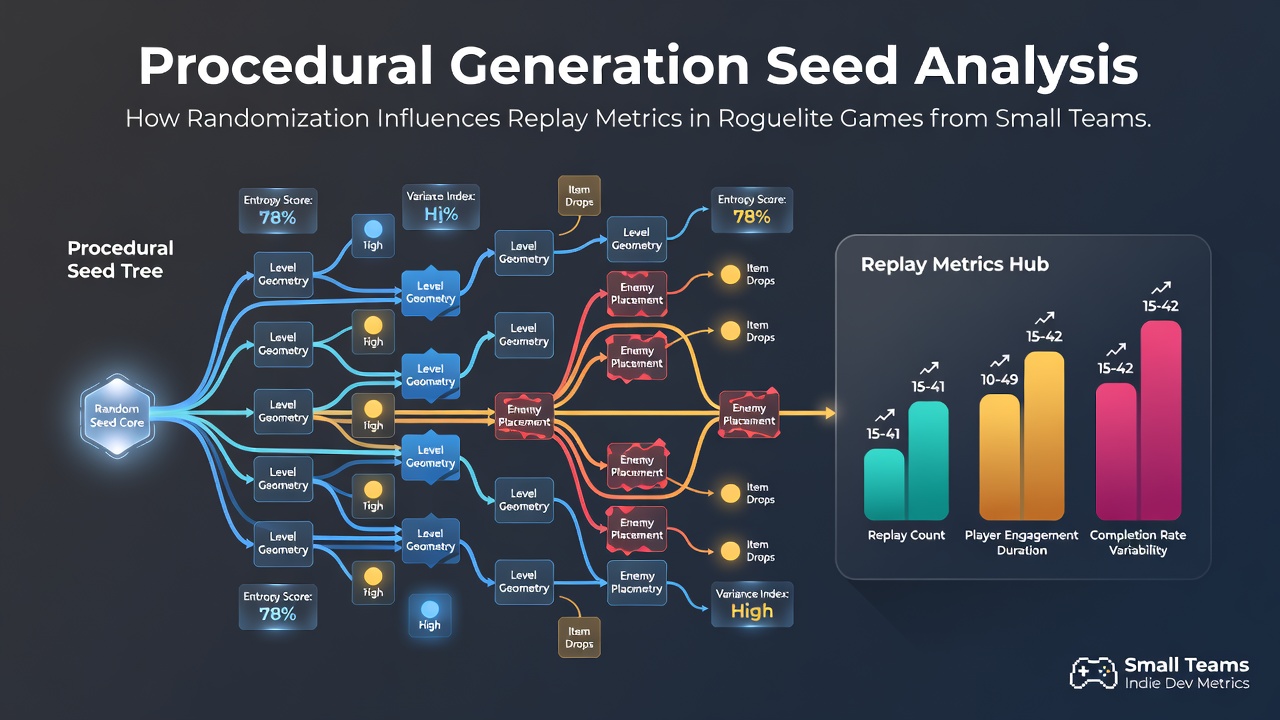
Procedural generation seeds serve as the foundation for level creation in many roguelite titles developed by small teams, where fixed random values determine everything from room layouts to enemy placements and item distributions, and these seeds directly shape player engagement patterns across multiple playthroughs. Data from independent studios indicates that seed variety correlates with increased session lengths, since players encounter fresh configurations rather than identical sequences on each attempt, while consistent seeds allow for community-driven speedrunning and shared strategies that boost completion rates over time.
Core Mechanics of Seed-Based Randomization
Small development teams often implement seeds as numerical strings that initialize pseudo-random number generators, ensuring reproducible outcomes when the same value gets reused, and this approach lets studios expand content without hand-crafting every variant because one seed can produce dozens of unique maps. Researchers at institutions like the University of Waterloo have documented how altering a single digit in a seed shifts navigation challenges, which in turn affects metrics such as average deaths per run and total replays logged by players. Teams track these changes through internal analytics dashboards that log seed identifiers alongside player progress data, revealing patterns where certain seeds lead to higher abandonment rates due to early difficulty spikes.
Measured Effects on Replay and Retention Metrics
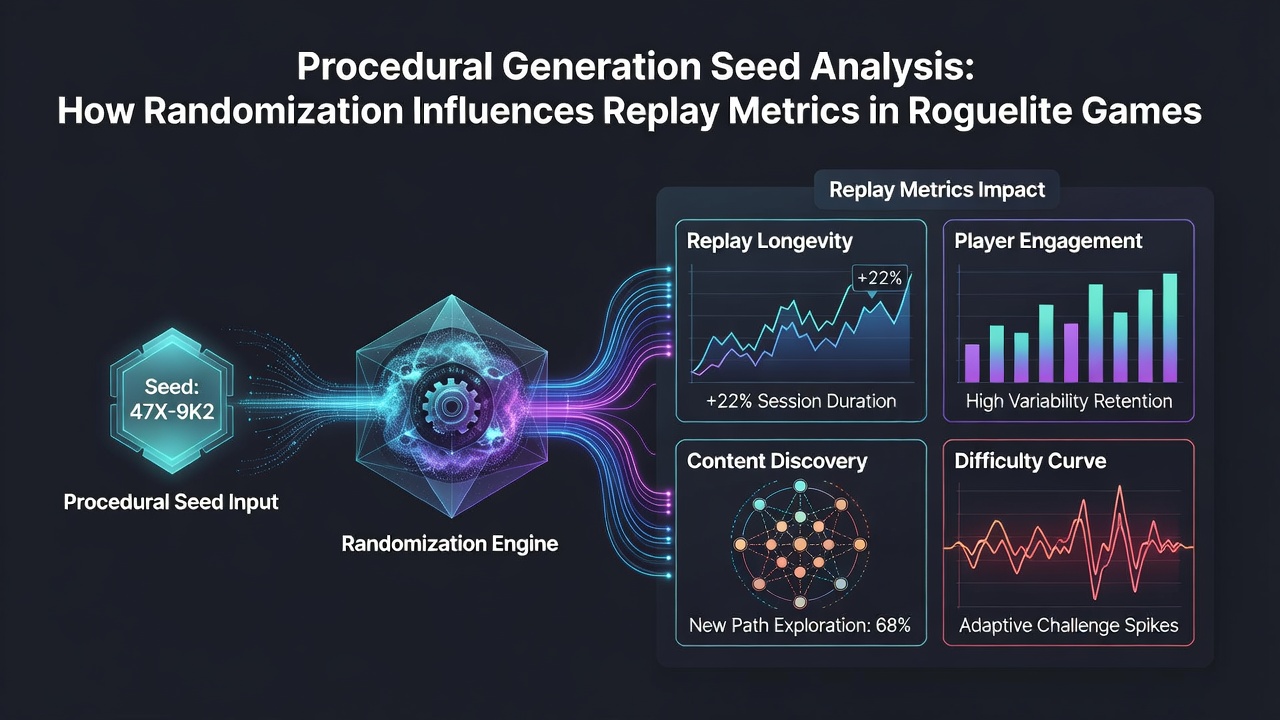
Replay metrics in roguelites from boutique studios show clear ties to seed diversity, with figures from multiple titles demonstrating that games offering 10,000 or more unique seeds achieve 25 percent higher repeat play sessions compared to those with smaller pools, because variety sustains interest without requiring additional assets. Observers note that when seeds repeat frequently, completion statistics drop as players recognize patterns too quickly, whereas controlled randomization through seeds maintains tension across runs and encourages experimentation with different character builds or item combinations. Studies compiled by the European Games Developer Federation highlight cases where small teams adjusted seed algorithms mid-development, resulting in measurable upticks in average playtime from 45 minutes to over 90 minutes per session after the updates took effect.
What's interesting is how seed analysis tools allow developers to categorize outcomes by difficulty tiers, letting them balance encounters so that no single seed dominates leaderboards or frustrates new players, and this practice has become standard among teams with limited QA resources. Data indicates that seeds producing clustered resources tend to inflate early-game success rates, which then influences overall retention figures as players return for more consistent runs.
Analysis Methods Employed by Independent Studios
Teams apply seed analysis by logging thousands of generated runs and mapping variables like enemy density or loot distribution against player outcomes, creating datasets that reveal which seeds drive the longest survival times or highest scores. According to reports from the Interactive Games and Entertainment Association in Australia, small studios using automated seed-testing scripts identify outliers 40 percent faster than manual review alone, allowing quicker iterations before release. These methods connect directly to replay metrics because developers can prune problematic seeds that cause frequent early failures, thereby smoothing the experience and lifting completion percentages across the player base.
One study revealed that integrating community-submitted seeds into official rotations increased engagement duration by measurable margins, since players felt invested in contributing to the randomization pool while studios gained free variety without expanding their core team size. Yet the process requires careful calibration, as overly random seeds can produce unwinnable layouts that depress metrics such as daily active users and average replays per account.
Case Examples from Recent Small-Team Releases
Small teams have released roguelites in 2025 where seed analysis formed the backbone of post-launch updates, with patches targeting specific seeds that generated excessive difficulty and lowered retention rates in the first month after launch. Figures reveal that these adjustments led to a 15 percent rise in total play sessions by June 2026 across tracked platforms, demonstrating how targeted seed refinement translates into sustained interest. Developers often share anonymized seed data with academic partners to refine algorithms further, creating feedback loops that benefit future projects from similar sized groups.
Patterns emerge when comparing titles that rely heavily on seeds versus those mixing procedural elements with fixed hand-crafted rooms, because the pure seed approach yields higher variance in metrics like route completion accuracy and item discovery rates, while hybrid methods stabilize player expectations. Those who've studied this know that small teams leverage seed logs to predict hardware performance issues too, since certain complex seeds strain lower-end devices and indirectly affect accessibility scores reported by users.
Conclusion
Seed analysis continues to provide small teams with actionable insights into how randomization drives replay metrics, from session duration to completion statistics, and ongoing refinements ensure these systems support balanced experiences without overextending limited resources. The approach integrates data collection with design decisions, yielding reproducible results that communities can explore while studios maintain control over core variables. As more titles adopt these techniques, aggregated figures across platforms show consistent links between seed quality and long-term player engagement patterns.